What ASTM A182 Covers
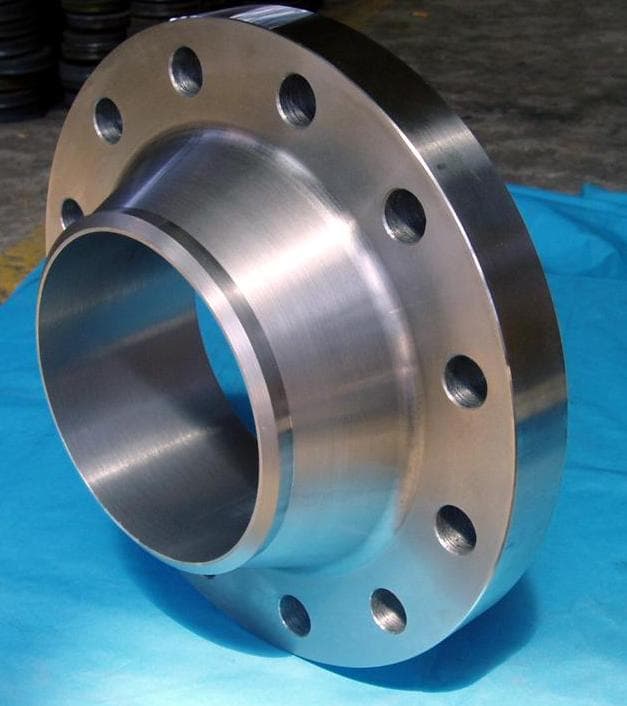
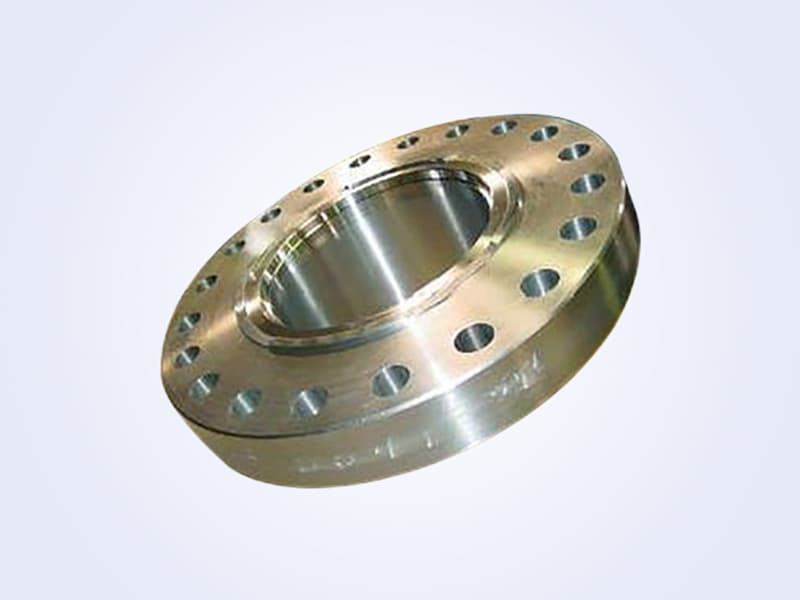
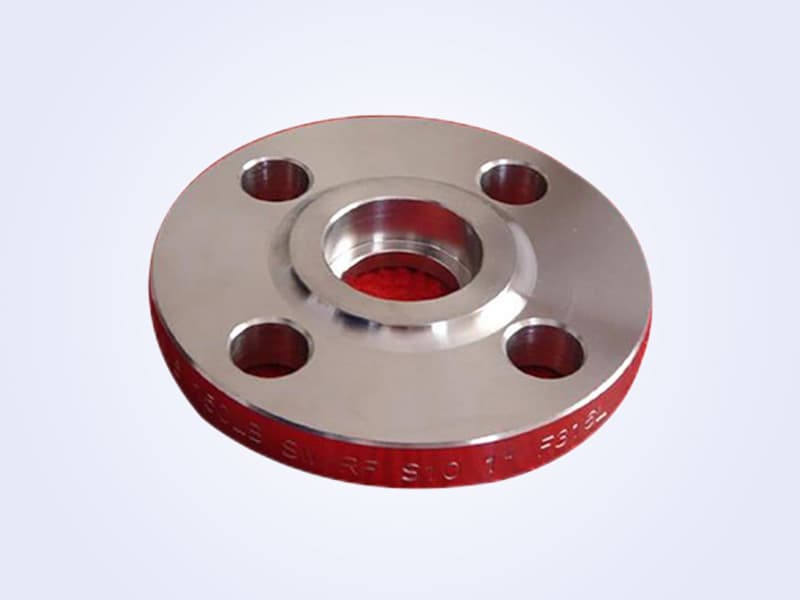
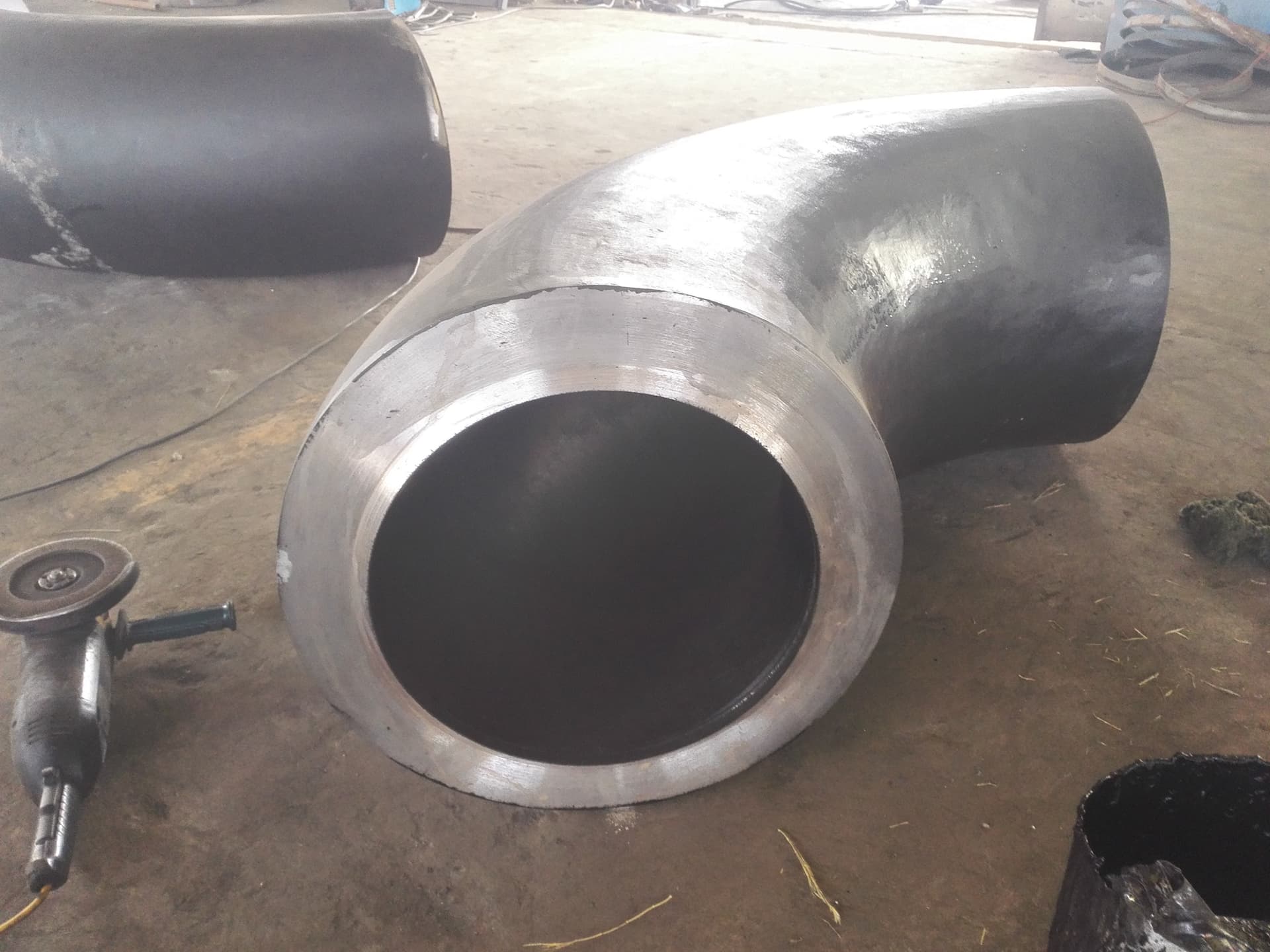
ASTM A182/A182M is the material specification for forged or rolled low-alloy and stainless steel piping components used in pressure systems. It covers flanges, forged fittings, valves, and similar parts that are intended for high-temperature service. The standard is referenced globally in EPC projects, and it is essential for procurement engineers to understand its scope and limitations.
The standard includes several grades of low-alloy steels and ferritic, martensitic, austenitic, and ferritic-austenitic (duplex) stainless steels. The selection of a specific grade depends on the design and service requirements, such as temperature, pressure, and corrosive environment. The specification also sets requirements for heat treatment, chemical composition, and mechanical properties like tensile strength, yield strength, elongation, and hardness.
Key Requirements in ASTM A182
Heat Treatment
After hot working, forgings must be cooled to a specific temperature before heat treatment. The heat treatment process must follow the requirements for the grade, including the type of heat treatment (e.g., annealing, normalizing, quenching and tempering), austenitizing or solution temperature, cooling media, and quenching method. Buyers should verify that the manufacturer's heat treatment procedures match the grade's requirements.
Chemical Composition
The standard specifies limits for carbon, manganese, phosphorus, silicon, nickel, chromium, molybdenum, columbium, and titanium, depending on the grade. These elements affect the material's mechanical properties and corrosion resistance. The mill test certificate (MTC) should report the actual chemical analysis for each heat.
Mechanical Properties
Each grade has defined mechanical property requirements, including tensile strength, yield strength, elongation, and Brinell hardness. For H grades and grade F63, average grain size testing is also required. These properties are verified through testing of specimens taken from the forgings or representative samples.
Weight and Size Limits
Products made to ASTM A182 are limited to a maximum weight of 10,000 lb [4540 kg]. For larger products, other specifications such as A336/A336M (ferritic) or A965/A965M (austenitic) should be considered. This is a critical factor when specifying large flanges or fittings.
Relationship with Dimensional Standards
ASTM A182 is a material specification only. It does not define dimensions, pressure ratings, or tolerances. These are covered by separate dimensional standards, such as ASME B16.5 for pipe flanges and flanged fittings from NPS 1/2 through NPS 24. ASME B16.5 covers pressure-temperature ratings, materials, dimensions, tolerances, marking, and testing for flanges with rating classes 150, 300, 400, 600, 900, 1500, and 2500 (up to NPS 12 for class 2500).
When ordering flanges, you must specify both the material standard (ASTM A182) and the dimensional standard (e.g., ASME B16.5). For example, a common specification is "ASTM A182 F316L, ASME B16.5 Class 150, Weld Neck Flange, NPS 4." Without the dimensional standard, the manufacturer cannot produce the correct dimensions.
Procurement Checks and RFQ Inputs
When preparing an RFQ for ASTM A182 components, include the following information:
- Grade: Specify the exact grade (e.g., F304, F316L, F11, F22, F51). Do not just say "stainless steel."
- Product form: Flange, fitting, valve, or other part.
- Dimensional standard: ASME B16.5, ASME B16.48, or other applicable standard.
- Size and pressure class: NPS, rating class, and schedule if applicable.
- Heat treatment condition: As required by the grade (e.g., solution annealed, normalized and tempered).
- Supplementary requirements: If any, such as additional testing or inspection (e.g., ultrasonic examination, Charpy impact testing).
- Edition of the standard: Specify the active edition (e.g., ASTM A182/A182M-21).
- Units: Specify whether inch-pound or SI units are required (the M designation).
Inspection and Documentation Points
During inspection, verify the following:
- Mill Test Certificate (MTC): Ensure it includes the chemical composition, mechanical properties, and heat treatment details.
- Marking: Each component should be marked with the manufacturer's name or trademark, grade, size, and other required information per the standard.
- Dimensional inspection: Check dimensions against the applicable dimensional standard.
- Visual inspection: Look for surface defects, cracks, or other imperfections.
- Hardness testing: If required, verify hardness values are within the specified range.
- PMI (Positive Material Identification): For stainless and alloy components, PMI is often required to confirm the material grade.
Common Risks and How to Avoid Them
- Incomplete specification: Ordering "ASTM A182" without grade and dimensional standard leads to incorrect materials. Always specify the full designation.
- Using outdated editions: Standards are updated periodically. Ensure you reference the active edition, as the public URL may show a historical version.
- Ignoring weight limits: For large components, ASTM A182 may not apply. Check the weight limit and use alternative specifications if needed.
- Mixing units: The standard is expressed in both inch-pound and SI units. If the order does not specify the "M" designation, inch-pound units apply. Be clear about which units are required.
Conclusion
ASTM A182 is a foundational material specification for forged piping components in high-temperature service. By understanding its scope, requirements, and relationship with dimensional standards, procurement engineers can ensure they order the correct materials. Always specify the grade, product form, dimensional standard, and edition, and verify that the manufacturer provides proper documentation and testing.
For more information on piping products and standards, visit our products page or contact us for assistance with your specific requirements.
Sources
- https://www.astm.org/a0182_a0182m-21.html
- https://www.asme.org/codes-standards/find-codes-standards/b16-5-pipe-flanges-flanged-fittings-nps-1-2-nps-24-metric-inch-standard
Need a quote for the products mentioned in this article?
Submit your specs and our pressure piping team will respond within one business day.
Send RFQRelated reading
 Standards
ASME B16.42 Ductile Iron Flanges: Classes 150 and 300
ASME B16.42 covers cast ductile iron flanges and flanged fittings in Classes 150 and 300. This guide explains scope, key requirements, and procurement checks for EPC engineers and buyers.
Standards