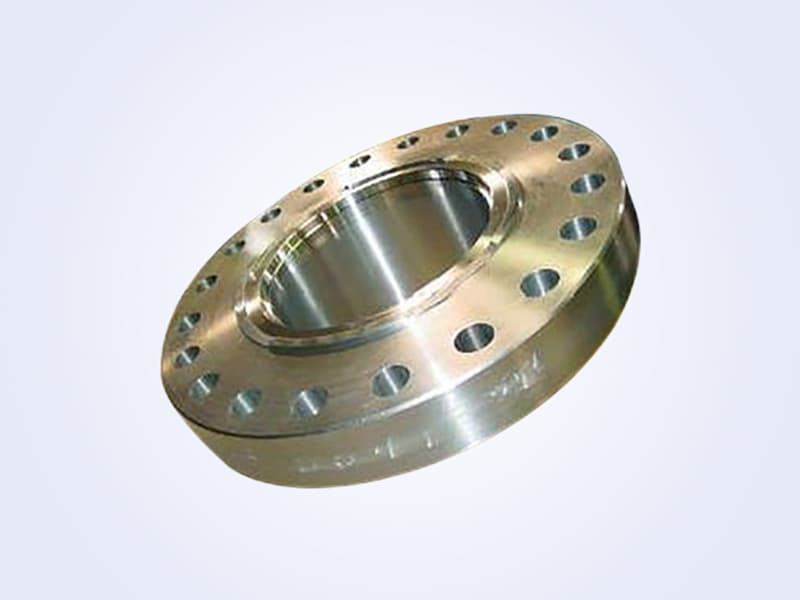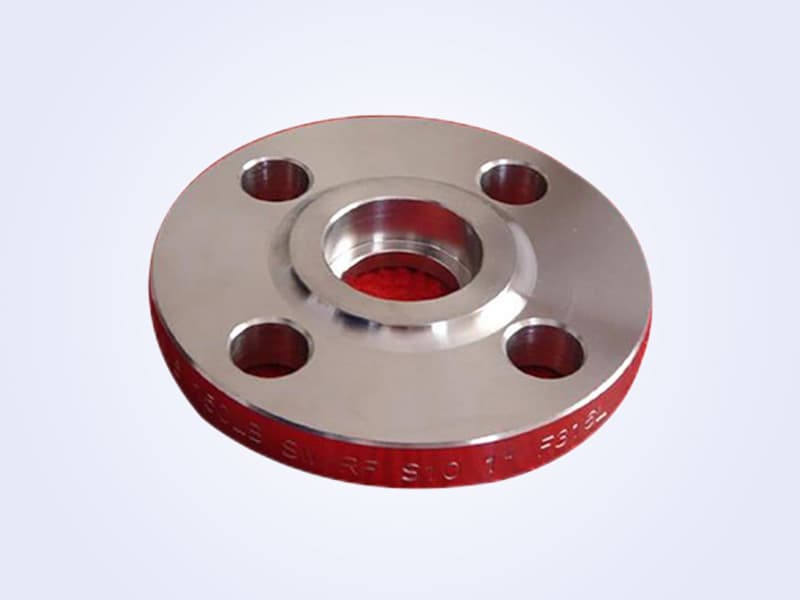
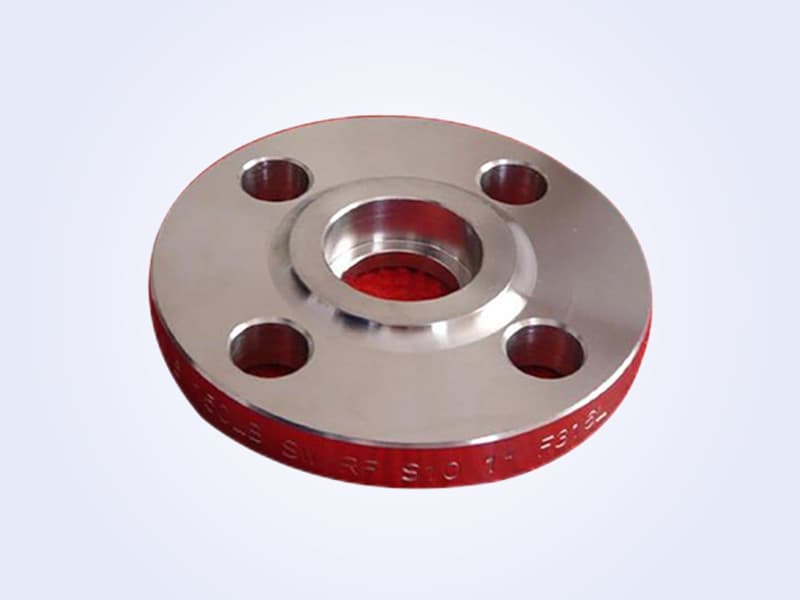
Introduction
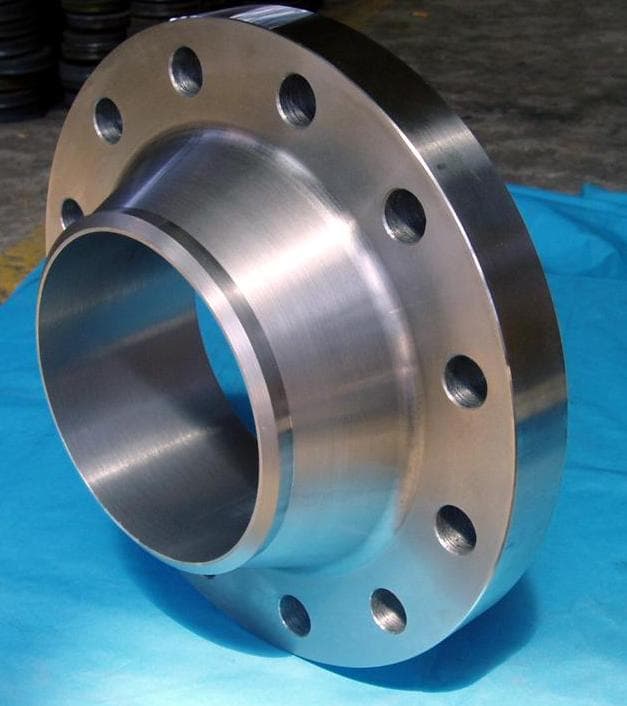
As wind energy capacity expands globally, the reliability of balance-of-plant components becomes increasingly critical. Flanges – though small in proportion to turbines – serve as vital connection points in cooling systems, hydraulic circuits, and structural supports. A poorly selected flange can lead to leaks, downtime, or safety hazards, especially in offshore environments. This guide focuses on procurement considerations for flanges used in wind power applications, helping engineers and buyers make informed decisions.
Standards to Confirm
Before issuing an RFQ, verify which design and material standards apply to your project. The most commonly referenced standards for pipe flanges in wind installations include:
- ASME B16.5: For flanges up to NPS 24, covering pressure-temperature ratings, dimensions, and tolerances.
- ASME B16.47: For larger flanges (NPS 26–60), often used in tower base or substation connections.
- EN 1092-1: European standard, frequently specified for onshore wind farms.
- Material standards: ASTM A105 (carbon steel), ASTM A182 (stainless steel), or ASTM A694 (high-yield for low-temperature service).