Introduction
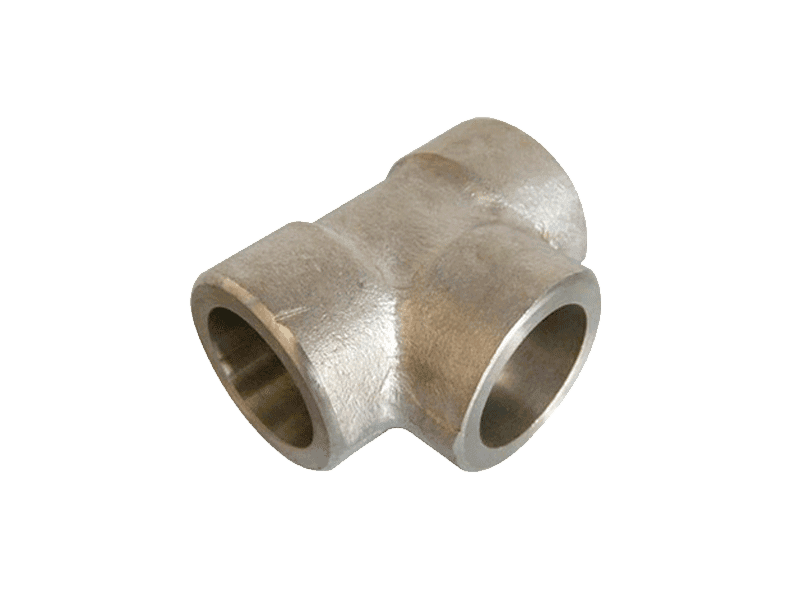
Forged pipe fittings are essential components in high-pressure and high-temperature piping systems across oil & gas, chemical, power generation, and other heavy industries. The material selected directly impacts the fitting's strength, corrosion resistance, and longevity. For procurement engineers and buyers, understanding the material options and how to specify them correctly is crucial to avoid failures and costly downtime.
This guide provides a practical overview of the most common materials used for forged fittings—carbon steel, stainless steel, alloy steel, and copper alloys—along with key considerations for sourcing, inspection, and quality assurance.
Common Materials for Forged Fittings
Carbon Steel
Carbon steel is the most widely used material for forged fittings due to its excellent strength-to-cost ratio. It is suitable for general service applications where corrosion is not severe. Typical grades include:
- ASTM A105 (standard specification for carbon steel forgings for piping applications)
- ASTM A350 LF2 (low-temperature carbon steel)
- ASTM A694 F52, F60, F65 (high-strength carbon steel for transmission pipelines)
Applications: Steam, water, oil, gas, and other non-corrosive fluids at moderate temperatures (-20°F to 1000°F).
Quality Risks: Susceptible to rust and corrosion; not suitable for sour service (H2S) without special treatment. Improper heat treatment can lead to brittleness.
Stainless Steel
Stainless steel forgings offer superior corrosion resistance and good mechanical properties at both low and high temperatures. Common grades include:
- ASTM A182 F304/F304L (general-purpose austenitic)
- ASTM A182 F316/F316L (enhanced pitting resistance)
- ASTM A182 F321 (stabilized for high-temperature service)
Applications: Chemical processing, food & beverage, pharmaceuticals, marine environments, and applications requiring cleanliness.
Quality Risks: Sensitive to chloride stress corrosion cracking (especially 304/316) above 60°C. Ensure correct low-carbon (L) grade for welded assemblies.
Alloy Steel
Alloy steel forgings are engineered for high-temperature and high-pressure services. Common specifications:
- ASTM A182 F11, F22 (chrome-moly steels for elevated temperatures)
- ASTM A182 F5, F9 (5-9% chromium for higher creep strength)
- ASTM A182 F91 (modified 9Cr-1Mo for advanced power plants)
Applications: Steam piping, boiler connections, refinery process lines, and nuclear power systems.
Quality Risks: Requires precise heat treatment (normalizing and tempering); improper PWHT can embrittle. Hardness control is critical to avoid hydrogen-induced cracking.
Copper and Copper Alloys
Copper alloys are used for specialized applications requiring high thermal conductivity, electrical conductivity, or resistance to specific corrosive media.
- UNS C70600 (90/10 Cupronickel) for seawater piping
- UNS C71500 (70/30 Cupronickel) for higher velocity seawater
- UNS C37700 (free-cutting brass) for low-pressure general service
Applications: Heat exchangers, shipbuilding, desalination plants, and electrical utilities.
Quality Risks: Lower strength compared to steel; prone to dezincification in certain brass grades. Always verify chemical composition and stress relief.
Standards and Specifications to Confirm
When procuring forged fittings, always reference the relevant standard:
| Fitting Type | Material Standard | Dimensional Standard |
| :--- | :--- | :--- |
| Forged fittings (socket weld & threaded) | ASME B16.11 | ASME B16.11 |
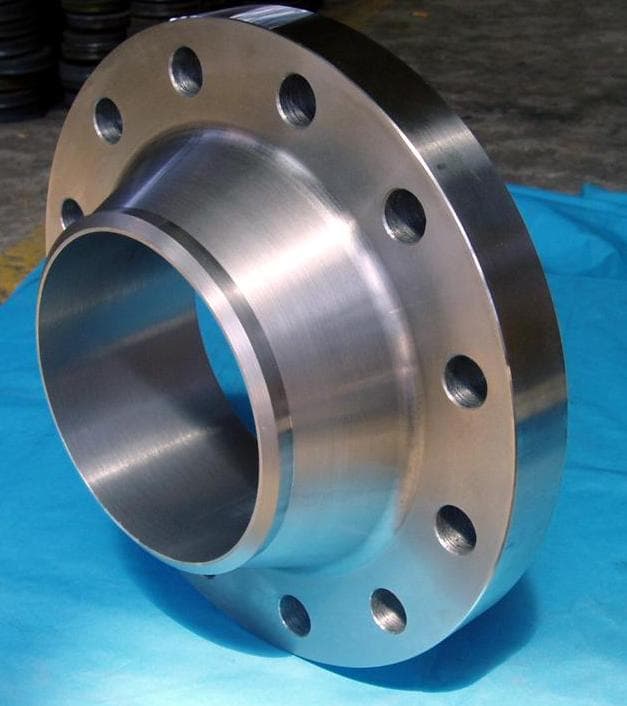
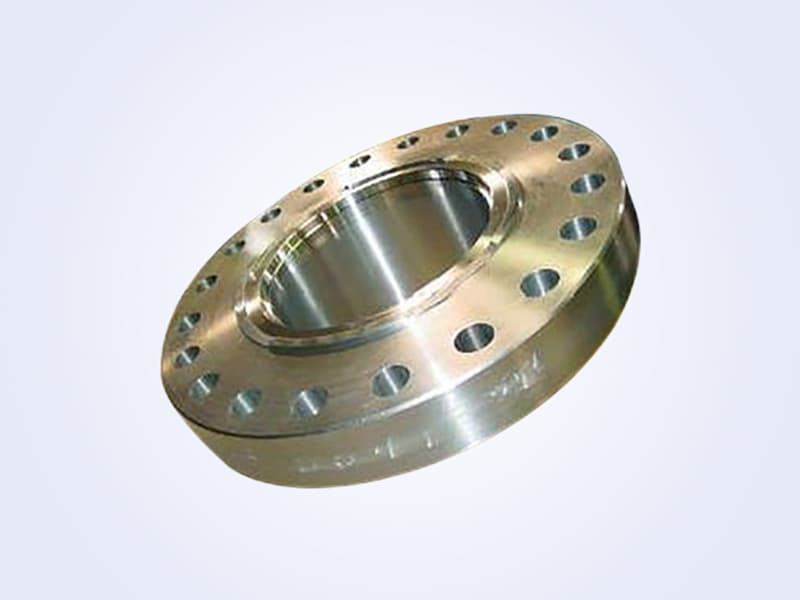
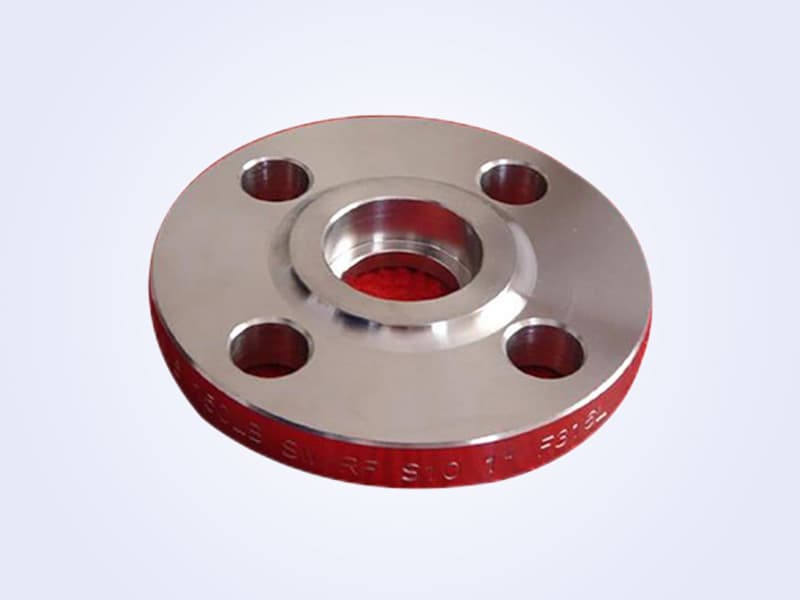
| Forged flanges | ASME B16.5 (≤24") / ASME B16.47 (larger) | ASME B16.5/B16.47 |
| Buttweld fittings (forged) | ASME B16.9 (dimensions) / ASTM parent material | ASME B16.9 |
| Forged steel valves (if applicable) | API 602 / ASME B16.34 | API 600/602 |
Also confirm the service temperature-pressure rating per ASME B16.5 or appropriate code.
Inspection Documents Required
Ensure the supplier provides these documents before dispatch:
- Material Test Certificate (MTC) per EN 10204 Type 3.1 or 3.2 (or equivalent ASTM A788)
- Heat treatment records (with time/temperature charts)
- Hardness test reports (for alloy steels)
- PMI (Positive Material Identification) reports for critical alloys
- Dimensional inspection reports
- Visual and NDE reports (MPI, dye penetrant) if specified
RFQ Checklist: What to Send Before Quotation
To get accurate pricing and ensure quality, include the following in your request for quotation:
- Material grade (e.g., ASTM A105, A182 F316L)
- Fitting type and size (e.g., 1" 3000# socket weld 90° elbow)
- Dimensions and schedule (e.g., Sch 80, Sch 160)
- Service conditions (temperature, pressure, corrosive media)
- Applicable codes and standards (ASME, API, NACE, etc.)
- Special requirements (e.g., low-temperature impact tests, NACE MR0175 for sour service)
- Quantity and delivery timeline
- Desired certifications (e.g., EN 10204 3.2, ISO 9001)
Quality Risks to Monitor
- Wrong material: Verify the MTC matches the ordered grade entirely.
- Improper heat treatment: Especially for chrome-moly grades; request hardness values in the expected range.
- Surface defects: Forged parts should be free from cracks, laps, and seams. Request visual and NDE inspection reports.
- Underrated pressure-temperature: Ensure the fitting's pressure class (e.g., 3000#, 6000#) matches system design.
- Counterfeit materials: Use reputable manufacturers like Haihao Group who source from certified mills.
How Haihao Group Ensures Quality
Hebei Haihao Group specializes in manufacturing forged pipe fittings, flanges, and bends for global EPC projects. We supply materials in carbon steel, stainless steel, alloy steel, and copper alloys, all traceable to mill certificates. Every fitting is inspected for dimensional accuracy, hardness, and surface integrity before shipment. For critical orders, we provide full documentation including MTC, PMI, and heat treatment reports.
Request a Quote Today
Need reliable forged fittings for your next project? Send your RFQ to Haihao Group with the details above, and our engineering team will respond within 24 hours with a competitive quote and delivery schedule.
Need a quote for the products mentioned in this article?
Submit your specs and our pressure piping team will respond within one business day.
Send RFQRelated reading
 Buyer guide
Orifice Flange RFQ Checklist: Class, Type, Taps and Documents
Specifying orifice flanges requires more than a standard flange RFQ. This checklist covers ASME B16.36 scope, class/type limits, tap details, and documentation gaps to verify before ordering.
 Buyer guide