Sources used:
- GB/T 20801.5-2020 summary, Code of China
- NB/T 47013.2 radiographic testing summary, Code of China
- ASNT Introduction to Nondestructive Testing
Why This Question Matters
A common buyer question is: "Under GB rules, what percentage of pressure piping welds must receive RT?" The safe answer is not a single number. The required radiographic testing percentage depends on the piping code, design document, pipe class, weld type, service fluid, pressure-temperature condition, inspection class, and project specification.
For pipe fittings and prefabricated spools, this matters because a supplier cannot honestly quote inspection cost or delivery time from the words "GB RT inspection" alone. The RFQ must define what method is required, where it applies, what acceptance criteria are used, and what reports must be submitted.
What GB/T 20801.5 Covers
GB/T 20801.5-2020 is the inspection and testing part of China's pressure piping code for industrial piping. Public summaries identify it as a standard for inspection and testing of pressure piping. It should be read together with the design code, construction documents, material standards, and project requirements.
Do not treat it as a short lookup table where every pressure pipe has the same RT percentage. The inspection scope is a project decision built from the applicable code and design conditions.
RT, UT, MT and PT Are Not Interchangeable
ASNT's NDT overview lists common methods such as visual testing, liquid penetrant testing, magnetic particle testing, radiographic testing and ultrasonic testing. These methods answer different questions.
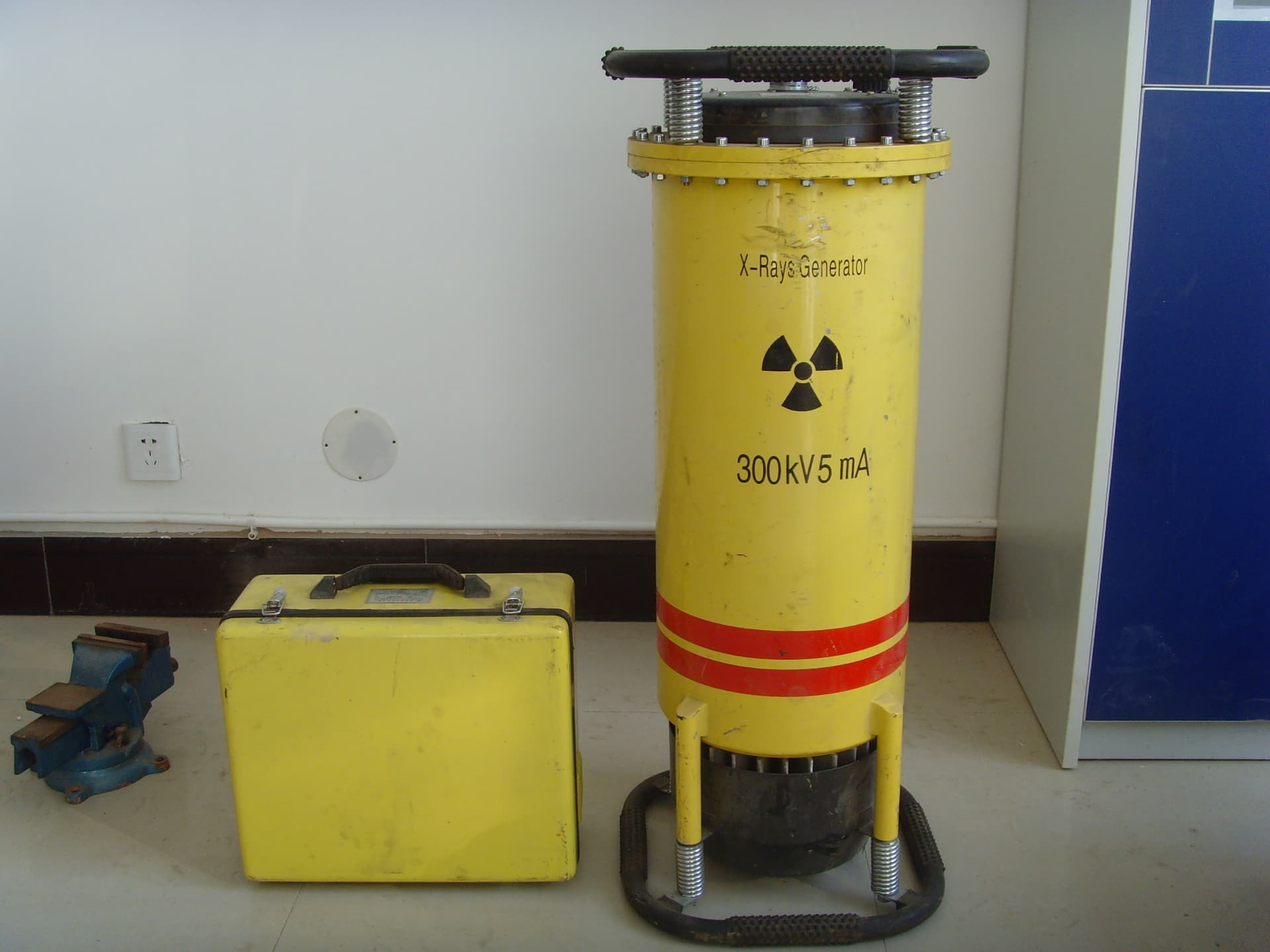
RT uses radiographic imaging and is often specified for volumetric examination of welds. UT uses sound waves and can also evaluate internal discontinuities and thickness. MT is used on ferromagnetic materials for surface or near-surface discontinuities. PT is used on non-porous surfaces to reveal surface-breaking indications.
A buyer should not write "RT or UT as supplier decides" unless the project specification allows substitution. The method must match the material, weld configuration, acceptance criteria and final client requirement.
What to Ask Before Quoting
Before a supplier quotes a GB pressure piping package, ask the buyer or EPC for:
- Applicable piping code and edition
- Pipe class or line class sheet
- Weld joint type and quantity
- Required NDT method: RT, UT, MT, PT or a combination
- Inspection percentage for each weld category
- Acceptance criteria and report format
- Whether a third-party inspector must witness the test
- Certificate type required for materials, such as EN 10204 3.1 or 3.2 when specified by the project
Without these inputs, any fixed RT percentage in a quotation is only an assumption and can create a cost dispute later.
RFQ Wording Buyers Can Use
Use wording like this:
"NDT shall be performed according to the project piping specification and applicable GB pressure piping code. Supplier shall confirm RT/UT/MT/PT method, weld coverage percentage, acceptance criteria, reporting format and third-party witness points before production. Inspection reports shall be traceable to weld number, heat number and spool drawing."
This wording does not invent a percentage. It forces the technical documents to control the inspection scope.
Related Procurement Checks
RT percentage is only one part of quality control. For fittings and flanges, also verify material MTC, heat number marking, dimensional inspection, surface condition, bevel preparation, coating and packing.
If the project is export-oriented, confirm whether the final client expects EN 10204 documents, third-party inspection, or a specific NDT standard in addition to the GB piping code.
Related Products
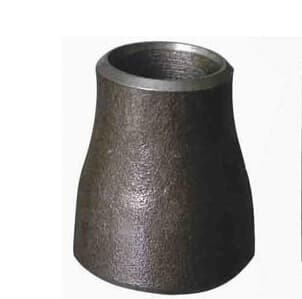
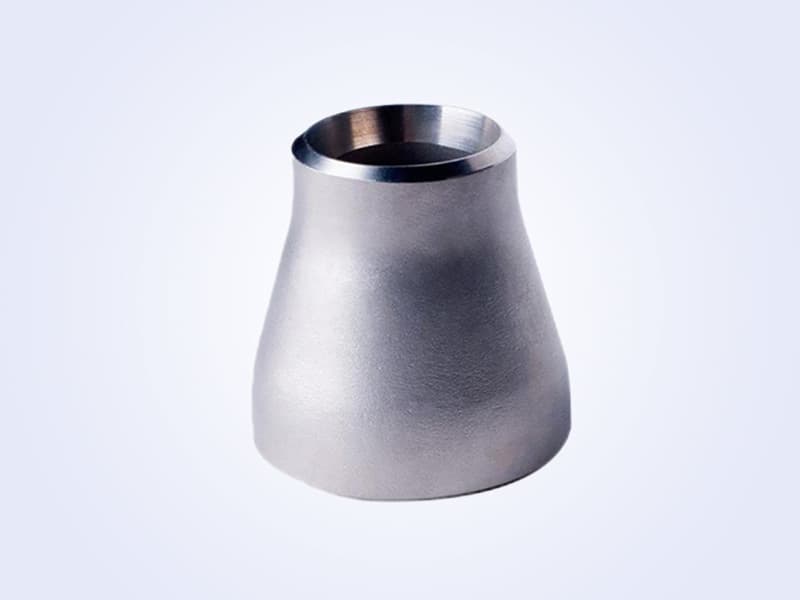
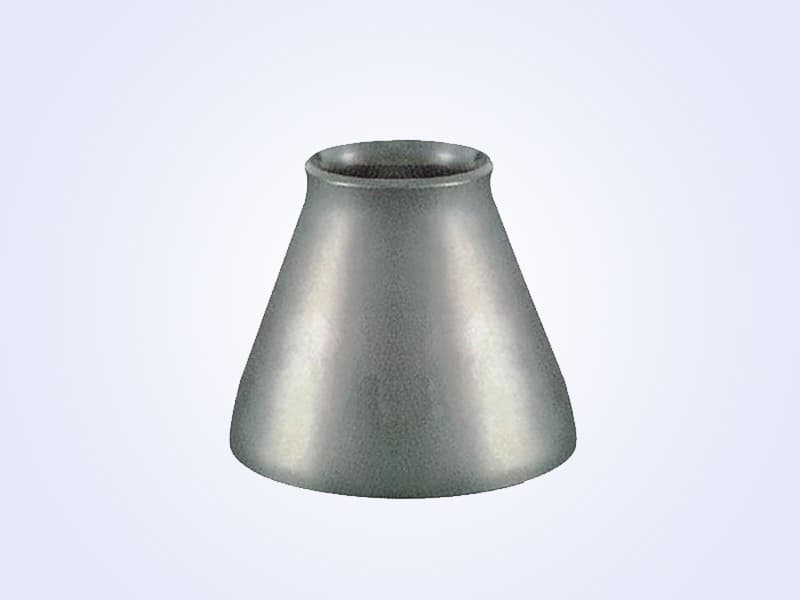
- Butt-weld elbows, tees, reducers and caps
- Pipe spools and prefabricated piping packages
- Flanges and forged fittings for inspected pressure piping projects
Further Reading
Need a quote for the products mentioned in this article?
Submit your specs and our pressure piping team will respond within one business day.
Send RFQRelated reading
 Technical
Grain Size Verification for Forged Stainless Fittings
Grain size testing under ASTM A182 is mandatory only for certain grades. Learn when ASTM E112 applies, which methods are used, and what buyers must verify before accepting a fitting.
Technical