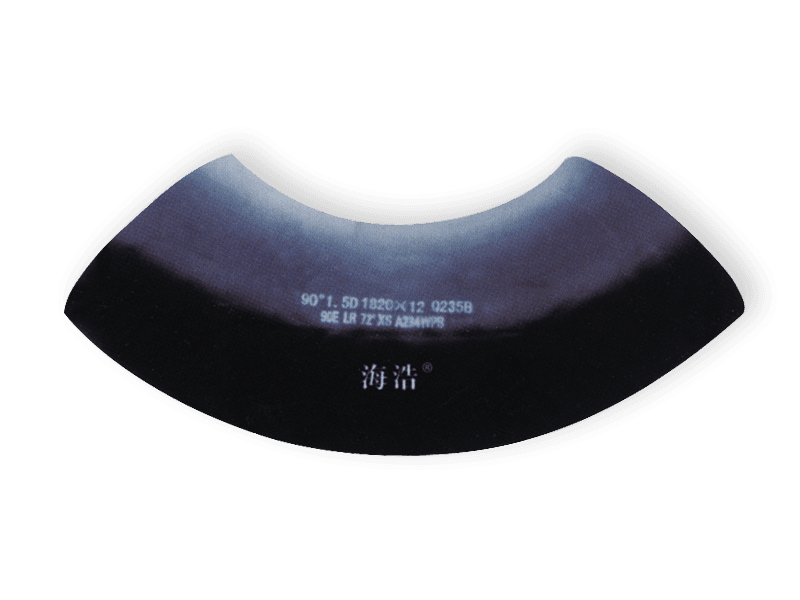
In modern architecture, material selection is crucial. Every component, even seemingly inconspicuous forged pipe fittings, can play an important role in the overall building structure. You may ask, what exactly are forged pipe fittings? Let's delve deeper.
What are Forged Pipe Fittings?
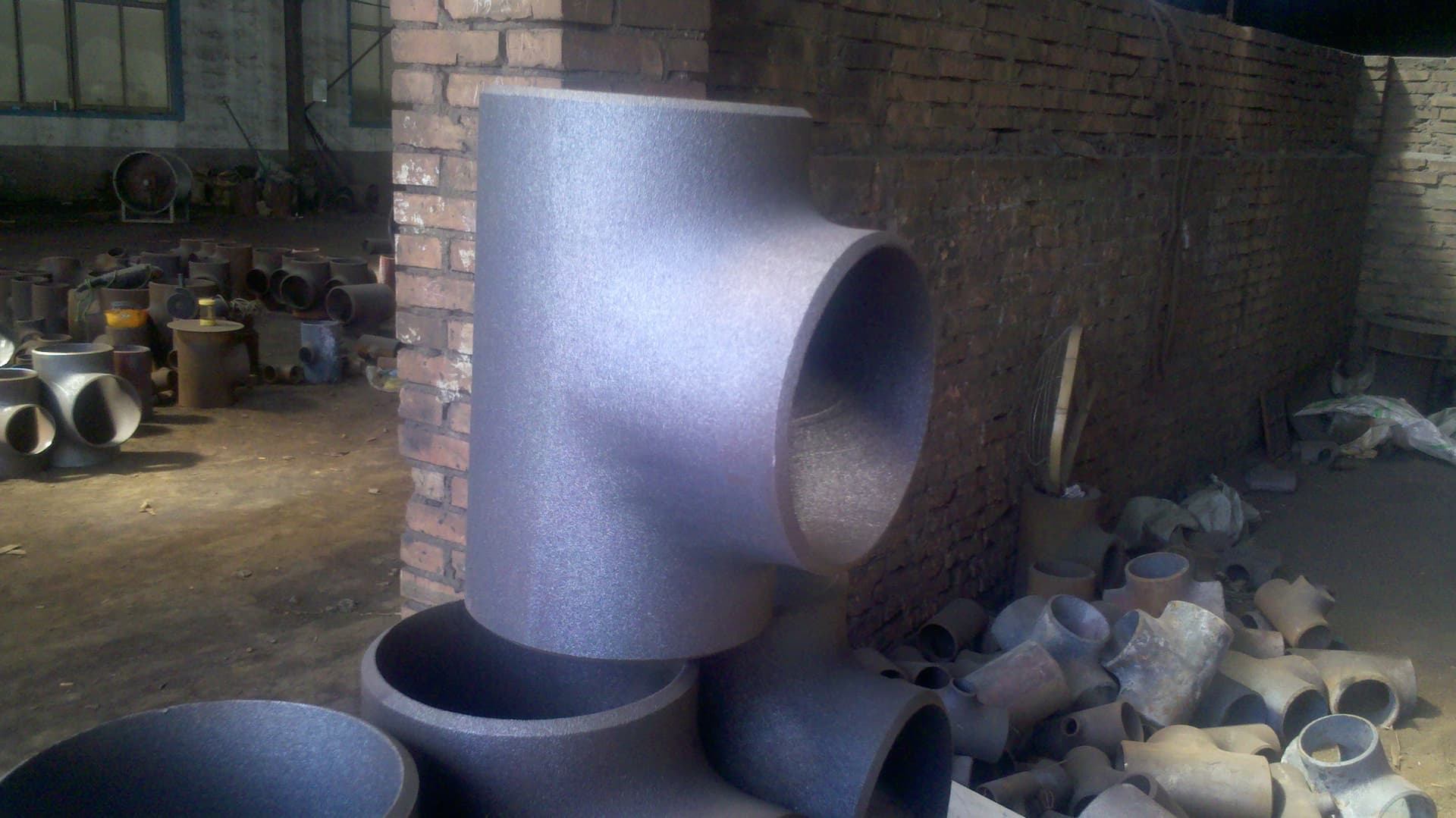
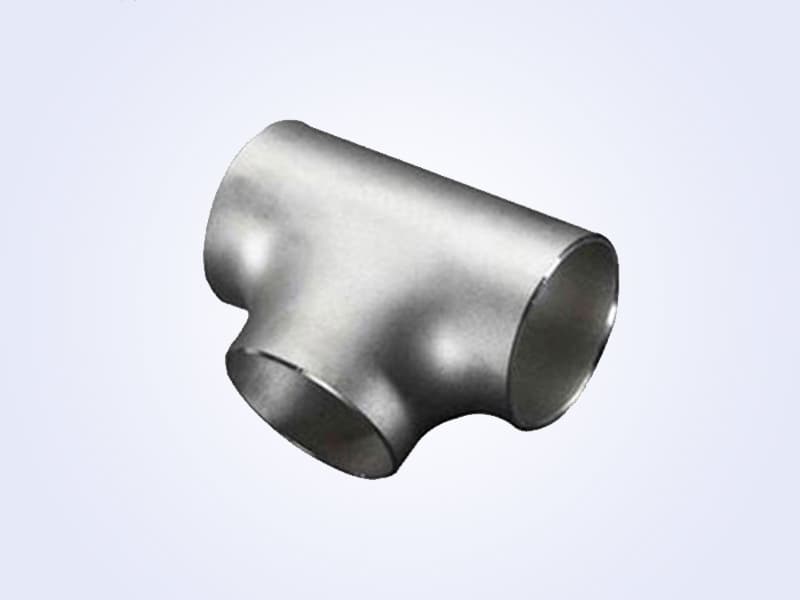
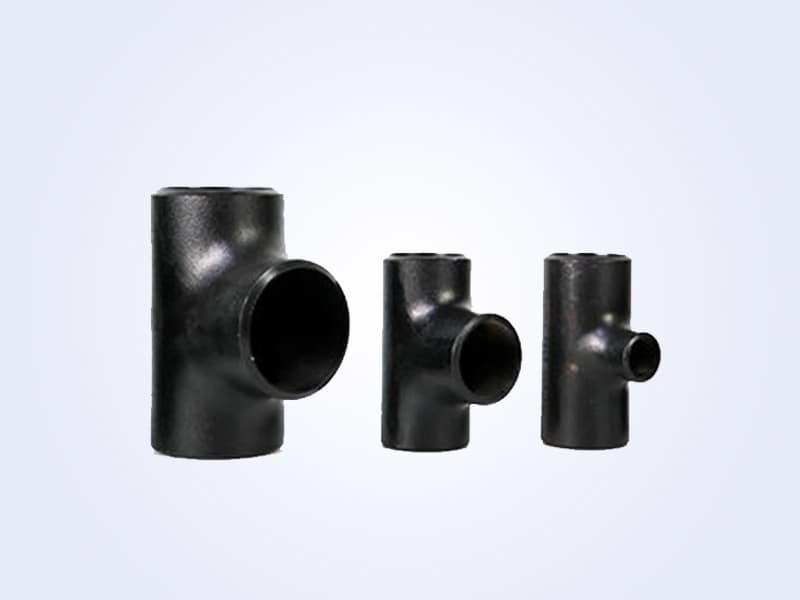
First, forged pipe fittings are tubular parts produced by forging processes. They are usually made of metal materials such as steel, aluminum, etc. Compared with other manufacturing methods, forging can effectively improve material properties, enhancing strength and toughness.
Advantages of Forged Pipe Fittings
The application of forged pipe fittings in the construction field mainly benefits from their unique advantages. First, their corrosion resistance and fatigue resistance are relatively strong. This means that in various harsh environments, forged pipe fittings can maintain good performance and extend service life. Have you ever experienced damage to building materials due to weather changes? Forged pipe fittings can effectively prevent this phenomenon. Second, forged pipe fittings have high processing precision. Because the grain structure of the metal is improved during forging, the dimensions of the final product are more accurate. This is crucial for the overall structural stability of the building.
Specific Applications of Forged Pipe Fittings in Construction
So, what specific construction areas are forged pipe fittings applied in? First, in municipal engineering, forged pipe fittings are often used in water supply and drainage systems. These fittings need to withstand high pressure, so choosing forged pipe fittings can improve system safety and stability. In addition, they also play an indispensable role in heating, gas supply, and other systems. In high-rise buildings, forged pipe fittings are widely used in load-bearing structures. For example, connection parts of stairs, handrails, balconies, etc., can use forged pipe fittings to ensure stability and safety. These fittings are like the 'skeleton' of the building, supporting the entire structure and ensuring the safety of occupants.
Installation and Maintenance
Of course, the application of forged pipe fittings in buildings is not limited to material selection, but also includes installation and maintenance. During installation, a professional team ensures that every forged pipe fitting fits perfectly, ensuring the smoothness of the entire system. This is like building a Lego castle, where each block must be placed in the correct position to make the castle stable and beautiful. In terms of maintenance, although forged pipe fittings have high durability, regular inspection is still necessary. Regular cleaning and inspection of fittings can not only extend their service life but also ensure the overall safety of the building.
Future Outlook
With the continuous development of the construction industry, the application of forged pipe fittings is also gradually expanding. Especially today, when green building and environmentally friendly materials are increasingly valued, the recycling and sustainable development of forged pipe fittings will become a future trend. We have reason to believe that these small fittings will play a greater role in future buildings. The application of forged pipe fittings in the construction field is a topic full of possibilities. From durability to processing precision, they are continuously promoting the development of the construction industry. Choosing the right materials can build safer and better homes. Next time you see a high-rise building, think about the forged pipe fittings hidden in the walls, silently protecting our lives.
Need a quote for the products mentioned in this article?
Submit your specs and our pressure piping team will respond within one business day.
Send RFQRelated reading
 Industry news
Manatee Gas FID in Trinidad and Tobago: A Source-Checked LNG Feedgas Update
Shell's July 2024 FID for the Manatee gas development in Trinidad and Tobago signals continued investment in LNG feedgas. This update outlines what is verified, what remains to be checked, and how EPC buyers can align procurement with evolving project timelines.
 Industry news