High Pressure Flanges: Making Pipe Connections More Secure
Ah, high pressure flanges, have you ever heard of their magic? On this subject, I have a lot to share with you. Pipe connection may seem like an insignificant detail, but it is the most critical part of the entire project. And in this process, the role of high pressure flanges is particularly important. They not only ensure more secure pipe connections but also guarantee the safe and stable operation of the piping system. So, what exactly are high pressure flanges? And what is their magic?
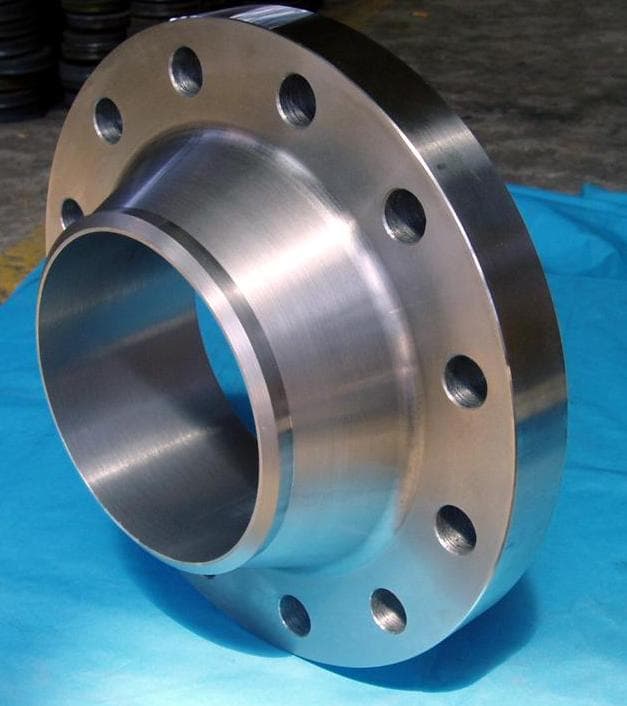
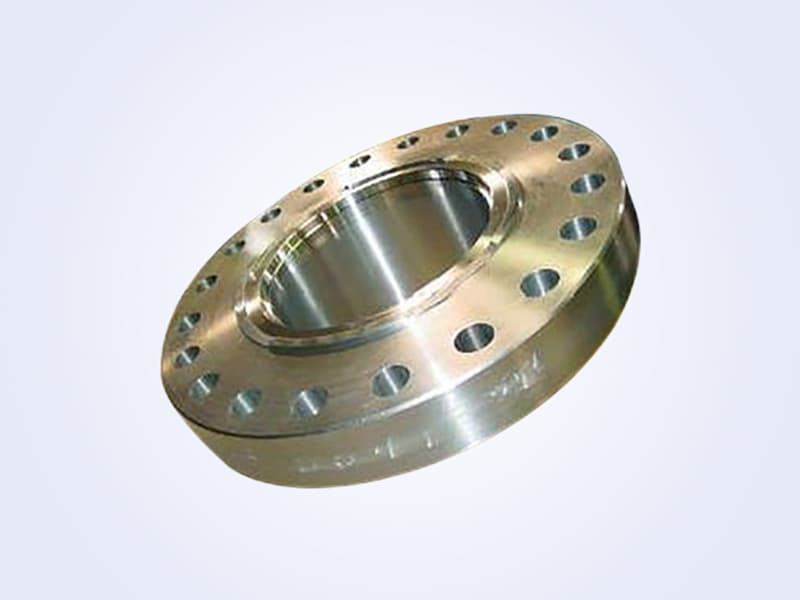
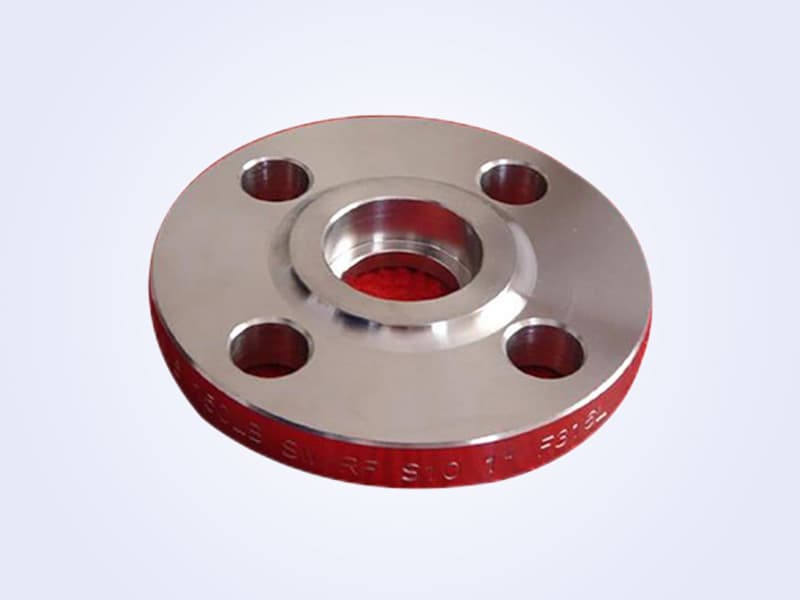
First, let us understand the basic concept of high pressure flanges. High pressure flanges, as the name suggests, are flange connectors capable of withstanding high pressure. In the industrial field, especially in pipelines involving liquid or gas transportation, high pressure flanges play a crucial role. By connecting two pipes together, they ensure the integrity and stability of the piping system. High pressure flanges can withstand high pressure in various harsh environments, ensuring that pipe connections do not fail due to excessive pressure.
In actual engineering, the selection and installation of high pressure flanges are critical. A high-quality high pressure flange not only withstands high pressure but also effectively prevents leakage and corrosion, extending the service life of the pipe. During installation, correct installation methods and techniques are also crucial. Only when the high pressure flange is tightly connected to the pipe can the safe operation of the entire piping system be ensured.
You might think,
Why Choose High Pressure Flanges?
Isn't ordinary flange connection sufficient? Actually, the uniqueness of high pressure flanges lies in their load-bearing capacity and stability. Under high pressure environments, ordinary flange connections are prone to leakage or loosening, while high pressure flanges can effectively prevent these problems. They not only ensure the safe operation of the piping system but also reduce maintenance and repair costs, improving the efficiency of the entire project.
In summary, high pressure flanges are a gem in pipe connections, and their magic lies in their load-bearing capacity and stability. Choosing the right high pressure flange and installing it correctly can make pipe connections more secure, ensuring the safe and stable operation of the piping system. In engineering construction, the importance of high pressure flanges should not be underestimated, as they directly affect the quality and safety of the entire project.
Need a quote for the products mentioned in this article?
Submit your specs and our pressure piping team will respond within one business day.
Send RFQRelated reading
 Industry news
Manatee Gas FID in Trinidad and Tobago: A Source-Checked LNG Feedgas Update
Shell's July 2024 FID for the Manatee gas development in Trinidad and Tobago signals continued investment in LNG feedgas. This update outlines what is verified, what remains to be checked, and how EPC buyers can align procurement with evolving project timelines.
 Industry news