
The Importance of Figure-8 Blanks in Piping Systems
What is a Figure-8 Blank?
In piping systems, the figure-8 blank is a very important device. You may not be familiar with it, but its function is crucial. Simply put, a figure-8 blank acts like an "invisible door" in the pipeline, providing closure to ensure that fluids do not accidentally leak. Imagine that without it, the liquid in the pipe would be like a rushing river, ready to overflow at any moment, causing serious safety hazards.
Structure and Characteristics of Figure-8 Blanks
The shape of a figure-8 blank is easy to remember—it resembles the number "8"—hence its name. It is typically made of high-strength materials such as carbon steel or stainless steel to ensure normal operation even under high pressure. The unique design feature is that its two holes can perfectly align, so that when the pipeline is disconnected, there is no gap, effectively preventing fluid leakage.
But have you ever thought about how safe the pipeline would be without such a device? Whether it is oil, natural gas, or chemicals, any tiny leak could trigger a huge environmental disaster and economic loss. Therefore, the figure-8 blank acts like a guardian, silently protecting our lives.
Applications of Figure-8 Blanks in Piping Systems
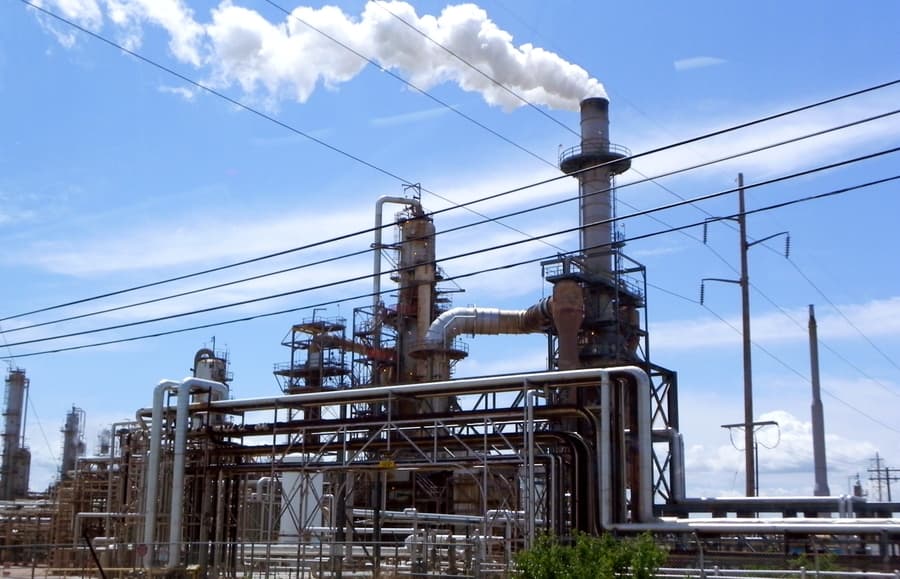
Figure-8 blanks are widely used in various piping systems. They are not only used in oil and natural gas pipelines but are also widely applied in the chemical industry, food processing, water supply systems, etc. In short, wherever fluid control is needed, figure-8 blanks may play an indispensable role.
Take oil transportation as an example: on an 800-kilometer pipeline, figure-8 blanks are installed at certain intervals. This not only effectively isolates different sections but also facilitates future maintenance and repairs. Imagine that if a certain section of the pipeline needs repair, using a figure-8 blank can easily isolate that section from the entire system, avoiding the trouble of shutting down the whole system.
Safety and Economy
Safety and economy are two essential factors in pipeline system design. Figure-8 blanks reduce environmental risks by effectively preventing fluid leakage, thus providing safety assurance. In addition, reducing economic losses caused by leakage is also one of its important functions. Imagine if a factory is heavily fined due to a pipeline leak—the loss is no small amount. With the protection of figure-8 blanks, these risks are greatly reduced.
Maintenance and Management
Of course, using figure-8 blanks does not mean you can rest easy. Regular inspection and maintenance are very important. Although figure-8 blanks are generally highly durable, prolonged use may lead to wear or corrosion. Therefore, it is recommended to pay special attention to the condition of figure-8 blanks during routine pipeline inspections to ensure they are always in good working order. Have you ever thought that neglecting this small component could lead to the paralysis of the entire system?
Conclusion
In summary, figure-8 blanks play an indispensable role in piping systems. They not only improve system safety and reduce potential economic losses but also facilitate future maintenance work. No matter the industry, the presence of figure-8 blanks is to ensure the safe transport of fluids. They may seem insignificant, but they demonstrate great value at critical moments.
In the design and use of pipeline systems, the application of figure-8 blanks is essential. Choosing the right figure-8 blanks and performing regular maintenance can truly maximize their effectiveness. The next time you pass by a pipeline, think about those silent figure-8 blanks—they are the "invisible heroes" that make our lives safer and better.
Need a quote for the products mentioned in this article?
Submit your specs and our pressure piping team will respond within one business day.
Send RFQRelated reading
 Industry news
Manatee Gas FID in Trinidad and Tobago: A Source-Checked LNG Feedgas Update
Shell's July 2024 FID for the Manatee gas development in Trinidad and Tobago signals continued investment in LNG feedgas. This update outlines what is verified, what remains to be checked, and how EPC buyers can align procurement with evolving project timelines.
 Industry news