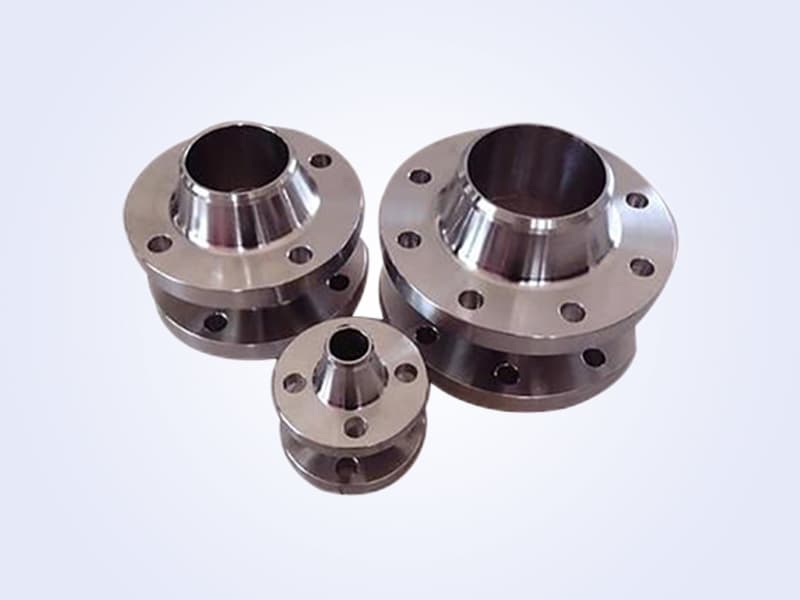
How to Choose Suitable Butt-Weld Pipe Fittings?
In piping systems, butt-weld fittings play an important role. Whether for transporting water, gas, or other fluids, choosing the right butt-weld fittings is key to ensuring system safety and efficient operation. So, how exactly do you choose suitable butt-weld fittings? Today, let's delve into this topic.
Understanding the Types of Butt-Weld Fittings
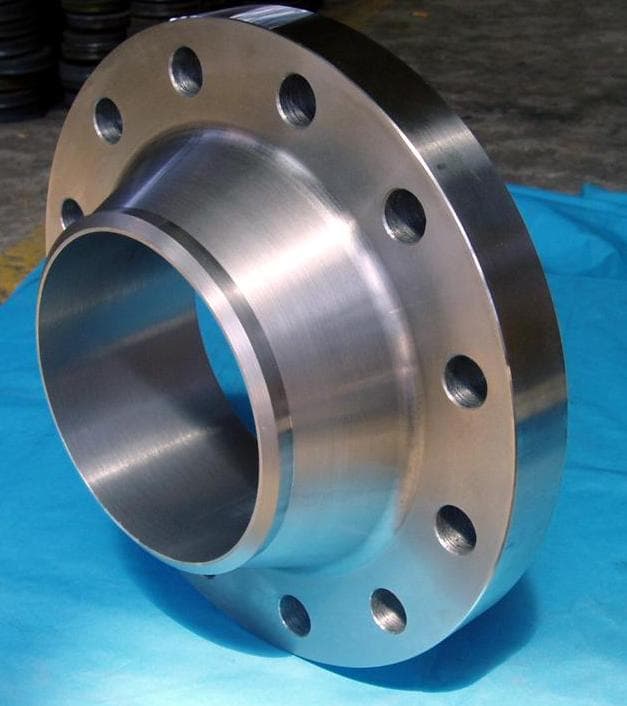
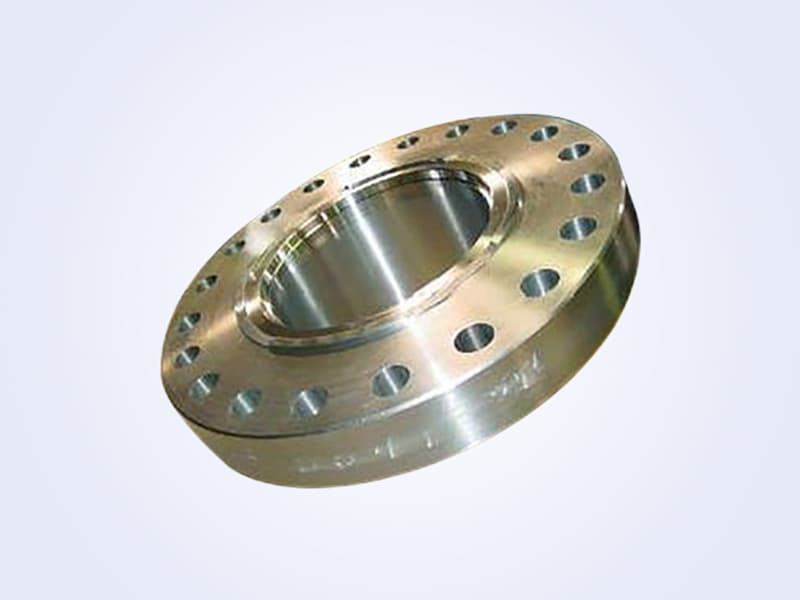
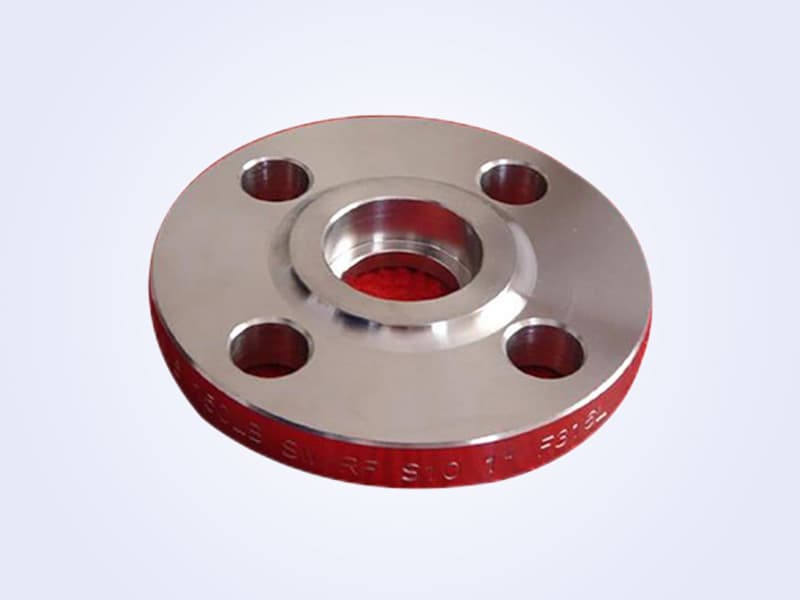
First, it is very important to understand the types of butt-weld fittings. Different industries and applications require different fittings. Common butt-weld fittings include elbows, tees, crosses, flanges, etc. If you choose arbitrarily, you may end up with system mismatches, even leaks or other failures. For example, imagine selecting the wrong piece in a puzzle; the whole puzzle won't come together.
Importance of Material Selection
Second, material selection is a factor that cannot be ignored. Butt-weld fittings are usually available in a variety of materials such as stainless steel, carbon steel, and alloy steel. You need to choose the appropriate material based on the type of fluid, temperature, and pressure. For instance, if you need to transport corrosive liquids, stainless steel may be your best choice. It's like dressing for the weather; wearing the wrong clothes is uncomfortable and can lead to unnecessary trouble.
Matching Size and Specifications
Furthermore, matching size and specifications is equally critical. The dimensions of butt-weld fittings must correspond to the pipe diameter, wall thickness, and other parameters. Think about it: if you try to fit a large sofa into a small living room during renovation, what happens? Exactly, it won't fit! Similarly, if the size of the butt-weld fittings does not match, it can seriously affect the operational efficiency of the entire piping system.
Consideration of Pressure and Temperature
Another factor to consider when selecting butt-weld fittings is the pressure and temperature they can withstand. Each butt-weld fitting has its own limit of capacity. If this limit is exceeded, the material may deform or even fracture. Imagine doing high-intensity exercise while wearing unsuitable shoes; how can you ensure safety and efficiency?
Choosing a Supplier
Of course, choosing a reliable supplier is also crucial. Don't just look at the price; quality is king. Low-price butt-weld fittings may seem cost-effective in the short term, but in the long run, they may lead to higher maintenance and replacement costs. Ensure your supplier has a good reputation and quality assurance, just like making friends; it's more important to choose trustworthy people.
Summary and Suggestions
When selecting suitable butt-weld fittings, consider multiple factors such as type, material, size, pressure, and temperature. Only by comprehensively considering these aspects can you ensure that the butt-weld fittings you choose meet your needs. Just like buying any product, thorough research will help you make a wiser choice.
Remember, choosing the right butt-weld fittings not only enhances system safety but also reduces the risk of future problems. Therefore, it is worthwhile to spend time understanding and selecting.
Need a quote for the products mentioned in this article?
Submit your specs and our pressure piping team will respond within one business day.
Send RFQRelated reading
 Industry news
Manatee Gas FID in Trinidad and Tobago: A Source-Checked LNG Feedgas Update
Shell's July 2024 FID for the Manatee gas development in Trinidad and Tobago signals continued investment in LNG feedgas. This update outlines what is verified, what remains to be checked, and how EPC buyers can align procurement with evolving project timelines.
 Industry news