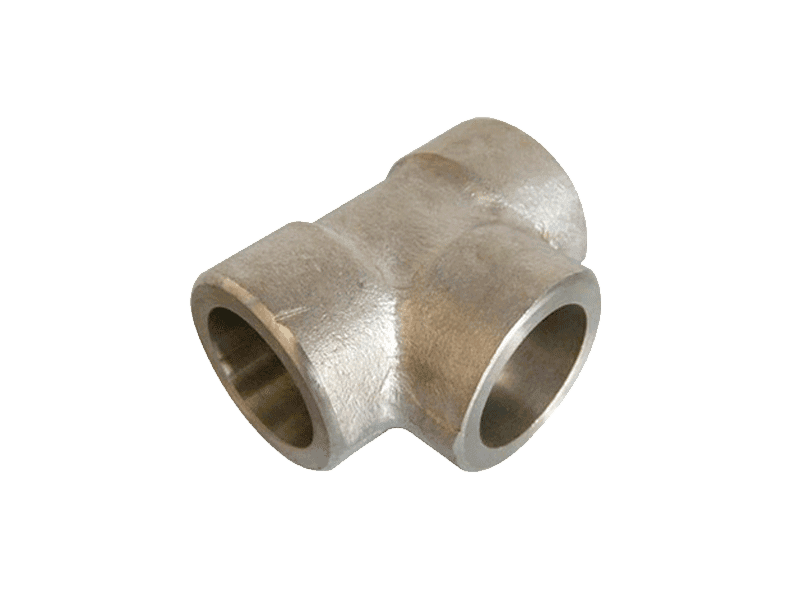
How to Inspect the Quality of Forged Pipe Fittings?
In the industrial field, forged pipe fittings are important connecting components widely used in petroleum, chemical, machinery and other industries. To ensure these fittings work properly in high-pressure or high-temperature environments, inspecting their quality is particularly important. So, how to effectively inspect the quality of forged pipe fittings? Let's explore together.
1. Visual Inspection
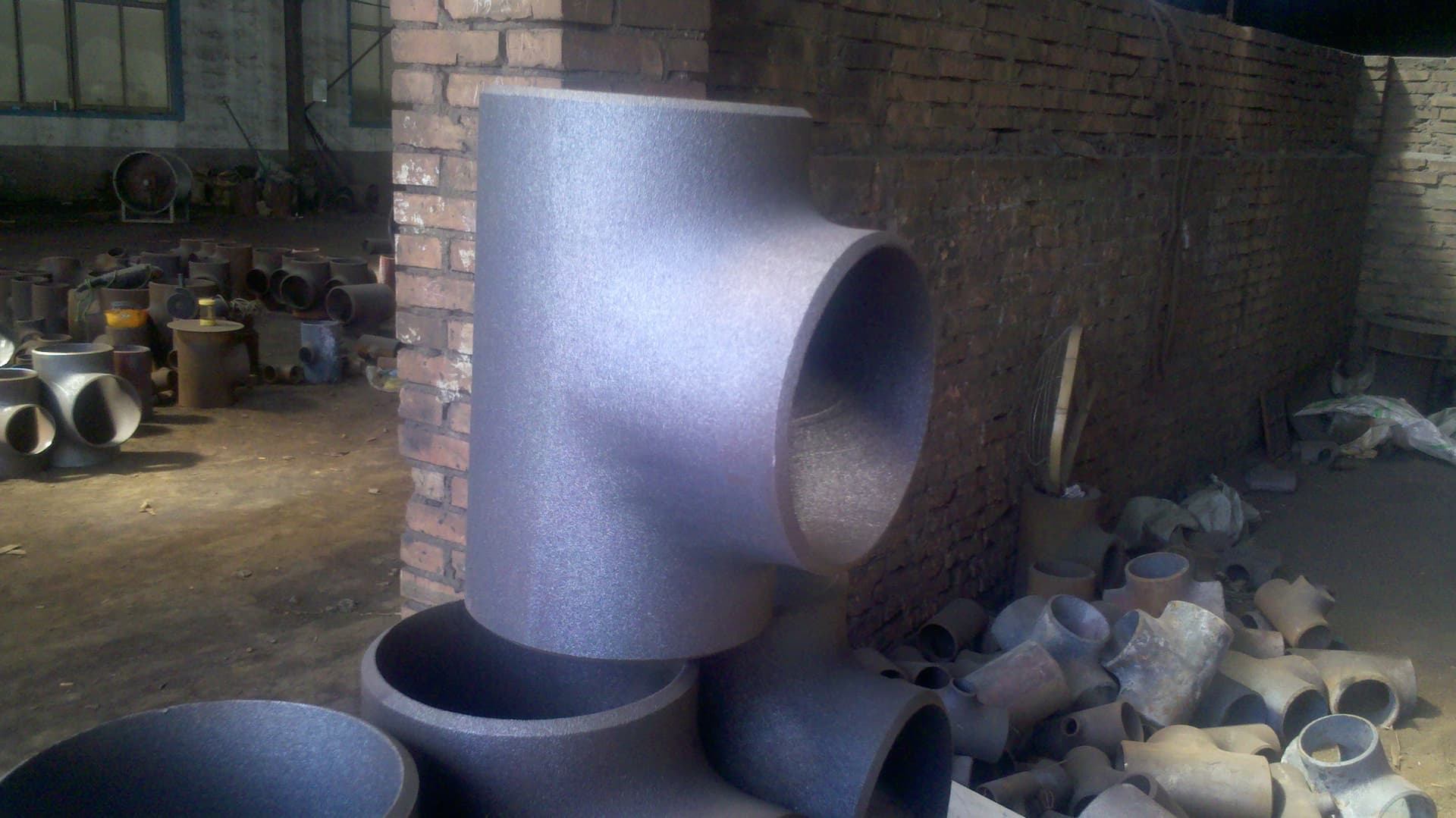
First, the most intuitive method is visual inspection. You might think, what's so difficult about that? In fact, visual inspection is not just about checking if there are scratches or deformations; more importantly, it examines the surface smoothness and the presence of obvious defects. The surface of forged pipe fittings should be smooth, and any rust, cracks, or dents may be potential quality hazards.
Imagine if you bought a new car with obvious dents or scratches on the body—would you trust its quality? Similarly, the appearance of forged pipe fittings reflects their manufacturing process.
2. Dimensional Measurement
Next, we need to measure the dimensions of the forged pipe fittings. Dimensional accuracy is one of the important indicators to judge whether the fittings are qualified. Use tools such as calipers and vernier calipers to measure the length, diameter, and wall thickness, ensuring these data meet design requirements. Imagine if the diameter of a fitting is too large or too small; it would cause trouble during installation and might even lead to system failure.
3. Material Composition Analysis
Besides appearance and dimensions, material composition analysis is equally important. Through chemical composition analysis, we can determine whether the material of the forged pipe fitting meets the standards. Whether carbon steel, stainless steel, or alloy steel, different materials have different performance indicators. If the material composition is unqualified, the fitting may deform or break during operation.
It's like making a cake: if the ingredients are of poor quality, no amount of decoration will help.
4. Mechanical Property Testing
Mechanical property testing is also a crucial part of inspecting forged pipe fitting quality. Through tensile tests, impact tests, etc., we can evaluate the strength and toughness of the fittings under actual service conditions. These tests simulate real-world load conditions to ensure the reliability of the fittings under high pressure or high temperature.
Imagine if a fitting cannot withstand the pressure during use—the consequences would be disastrous.
5. Non-Destructive Testing
Non-destructive testing (NDT) is an advanced method for inspecting forged pipe fitting quality. Using ultrasonic, radiographic, magnetic particle, and other techniques, internal and surface defects can be detected without damaging the fitting. This method maximizes the protection of the fitting and ensures its safety in subsequent use.
It's like giving the fitting a "health checkup," catching problems early and avoiding future troubles.
6. Service Environment and Applicability
Finally, when inspecting forged pipe fitting quality, we must also consider the applicable environment and conditions. Different working environments have different requirements for materials. For example, fittings used in marine environments need higher corrosion resistance, while those used in high-temperature and high-pressure environments require stronger heat and pressure resistance. Therefore, when selecting forged pipe fittings, it is necessary to consider and inspect based on specific service conditions.
Just like choosing shoes: different occasions require different shoes; the right one is the best.
Summary
Overall, inspecting the quality of forged pipe fittings is not a simple task. We need to conduct a comprehensive evaluation from multiple aspects, including visual inspection, dimensional measurement, material composition analysis, mechanical property testing, non-destructive testing, and service environment. Only in this way can we ensure the safety and reliability of forged pipe fittings in actual use. I hope this article helps you better understand how to inspect the quality of forged pipe fittings and apply this knowledge in your future work.
Need a quote for the products mentioned in this article?
Submit your specs and our pressure piping team will respond within one business day.
Send RFQRelated reading
 Industry news
Manatee Gas FID in Trinidad and Tobago: A Source-Checked LNG Feedgas Update
Shell's July 2024 FID for the Manatee gas development in Trinidad and Tobago signals continued investment in LNG feedgas. This update outlines what is verified, what remains to be checked, and how EPC buyers can align procurement with evolving project timelines.
 Industry news