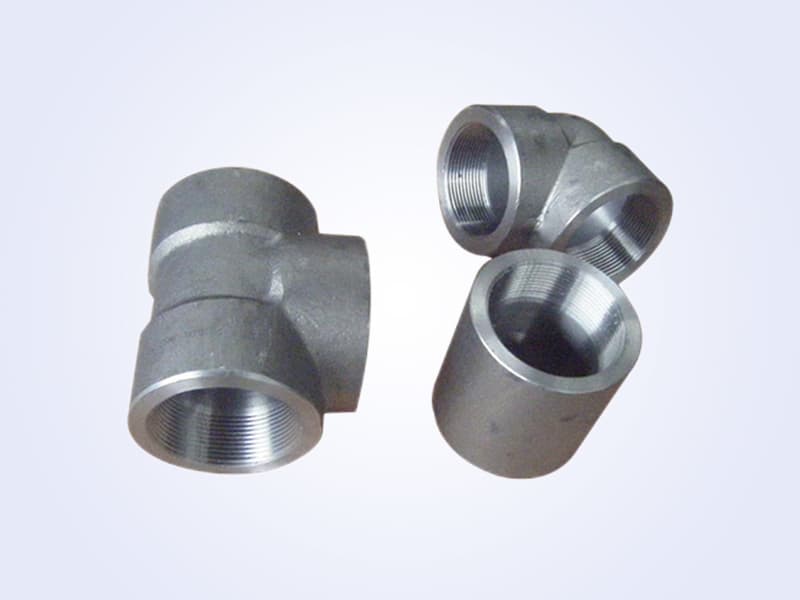
What is the difference between butt welding fittings and other pipe fittings?
In our daily life, pipe fittings are widely used, especially in construction, petroleum, chemical and other industries. Today, we are going to talk about the difference between "butt welding fittings" and other pipe fittings. You may ask, isn't a pipe fitting just a pipe? Actually not. There are many types of pipe fittings, each with its specific use and characteristics. Next, let's delve into the differences between these pipe fittings.
What are butt welding fittings?
Butt welding fittings, as the name suggests, are pipe fittings that connect pipes by welding. They are usually used in occasions requiring high strength and sealing, such as some high-pressure or high-temperature piping systems. The main feature of butt welding fittings is their excellent strength and corrosion resistance, so they are widely used in many industries.
Differences from other pipe fittings
First, let's look at the differences between butt welding fittings and other common pipe fittings such as threaded fittings and flanged fittings.
- Different connection methods
Butt welding fittings are connected by welding, while threaded fittings are connected by threads. This difference in connection methods directly leads to their different usage occasions. Imagine, if you use a threaded connection in a high-pressure environment, is it easy to leak or burst? Butt welding fittings can provide a tighter connection, and leakage is almost impossible.
- Strength and durability
Butt welding fittings are often stronger than threaded fittings and flanged fittings. This is because the welded connection forms an integral whole, rather than relying on the bite force of threads. Think about it, like a solid fortress and a temporary shack made of wooden boards, which one can withstand wind and rain? Obviously, the fortress is stronger, just like the performance of butt welding fittings in high-pressure and high-temperature environments.
- Installation and maintenance
Speaking of installation, threaded fittings are obviously more convenient, just a few twists to install. However, butt welding fittings require welding skills, which may be a challenge for places without professional equipment or technology. Therefore, in occasions that require frequent disassembly and maintenance, threaded fittings may be more popular.
Application scenarios of butt welding fittings
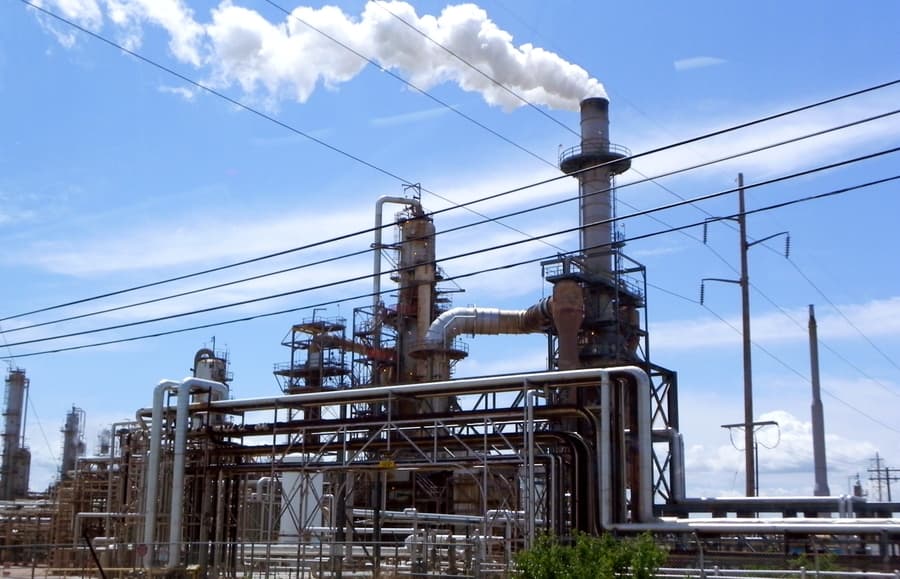
Butt welding fittings are widely used in petroleum, natural gas, chemical and other industries. In these fields, pipelines often need to withstand high temperature and high pressure, and butt welding fittings can effectively meet these requirements. In addition, in special industries such as nuclear power and shipbuilding, butt welding fittings are also indispensable.
Summary
In summary, butt welding fittings and other pipe fittings (such as threaded fittings and flanged fittings) have obvious differences in connection methods, strength and durability, installation and maintenance. Choosing the right pipe fittings can often have an important impact on the safety and efficiency of the entire project. If your project involves high-temperature and high-pressure environments, choosing butt welding fittings is definitely a wise decision.
Of course, when selecting fittings, you also need to comprehensively consider other factors such as cost and frequency of use. I hope this article can help you better understand the difference between butt welding fittings and other pipe fittings, and also help you make a more appropriate choice in future projects.
Need a quote for the products mentioned in this article?
Submit your specs and our pressure piping team will respond within one business day.
Send RFQRelated reading
 Industry news
Manatee Gas FID in Trinidad and Tobago: A Source-Checked LNG Feedgas Update
Shell's July 2024 FID for the Manatee gas development in Trinidad and Tobago signals continued investment in LNG feedgas. This update outlines what is verified, what remains to be checked, and how EPC buyers can align procurement with evolving project timelines.
 Industry news