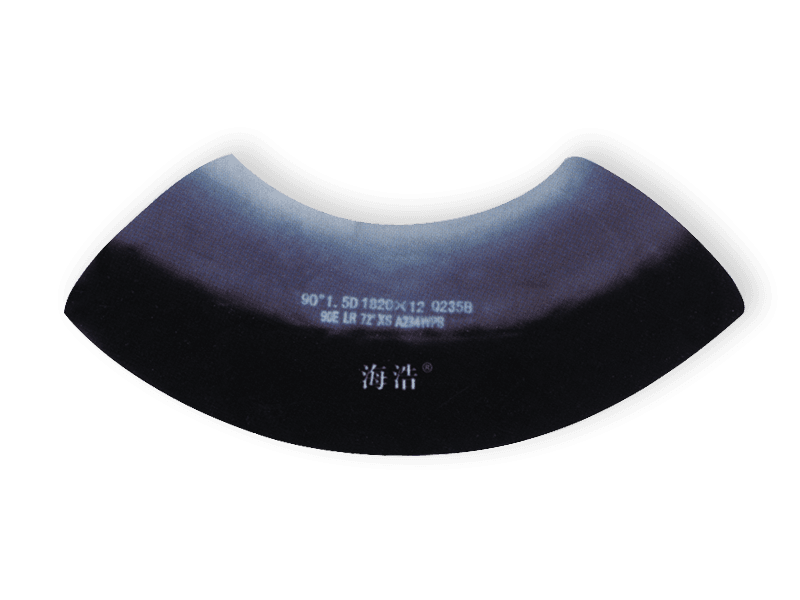
How to Extend the Service Life of Forged Pipe Fittings?
In many industrial fields, forged pipe fittings play a vital role. Whether you are in construction, petroleum, chemical, or other industries, the quality and service life of forged pipe fittings are key concerns. Today, we will discuss how to extend the service life of forged pipe fittings, making your investment more worthwhile.
1. Understand Material Properties
First, it is very important to understand the material properties of forged pipe fittings. Forged pipe fittings are usually made of high-strength metal materials that exhibit excellent performance under high temperature and high pressure. But did you know that the service life of forged pipe fittings varies greatly depending on the material used?
For example, certain alloy steel forged pipe fittings may perform well in high-temperature environments, while stainless steel has an advantage in corrosion resistance. Therefore, when selecting forged pipe fittings, choose the appropriate material based on the actual service environment and requirements to extend their service life.
2. Regular Maintenance and Inspection
Do you think that once forged pipe fittings are installed, you can rest easy? Actually, that's not the case! Regular maintenance and inspection are key to ensuring the long-term use of forged pipe fittings. Imagine it like taking care of your own body—regular check-ups can help detect potential health problems. Forged pipe fittings need the same kind of "check-up."
During use, regularly inspect the connections, welds, and surface of forged pipe fittings for rust or cracks. If these minor issues are not addressed promptly, they can lead to greater losses or even safety hazards.
3. Control the Service Environment
The service environment also significantly impacts the service life of forged pipe fittings. For example, exposure to moisture, corrosive gases, or extreme temperatures can accelerate wear and aging. So, what can we do to improve this?
Consider adding a protective layer around the fittings or using suitable coatings to enhance their corrosion resistance. If conditions permit, try to avoid placing forged pipe fittings in harsh environments, which can effectively extend their service life.
4. Proper Design and Installation
If you think installation is just about connecting pipes together, you're mistaken! Proper design and installation are crucial for the service life of forged pipe fittings. Imagine if a pipe is designed too narrow, the fluid flow will cause increased pressure, leading to pipe damage.
Similarly, the connection method also affects service life. Improper welding or poorly designed connections can accelerate aging. Therefore, during design and installation, always consider the characteristics and flow requirements of the fluid to ensure long-term stable operation of forged pipe fittings.
5. Use Appropriate Pressure and Temperature
Finally, using suitable pressure and temperature is an important factor in extending the service life of forged pipe fittings. You've probably heard the saying "too much of a good thing." Both excessively high and low pressure and temperature can negatively affect forged pipe fittings.
Ensure that equipment operates within the recommended parameter ranges and avoid overload conditions. This not only extends the service life of forged pipe fittings but also improves the safety and reliability of the entire system.
Summary
By understanding the material properties of forged pipe fittings, performing regular maintenance, controlling the service environment, ensuring proper design and installation, and using appropriate pressure and temperature, you can effectively extend the service life of forged pipe fittings. In this way, whether in production or daily use, forged pipe fittings will provide better service.
In a sense, forged pipe fittings are like a loyal companion. Proper handling and use will make them more durable and reliable in their work. I hope the above suggestions help you use forged pipe fittings better and bring greater value to your work.
Need a quote for the products mentioned in this article?
Submit your specs and our pressure piping team will respond within one business day.
Send RFQRelated reading
 Industry news
Manatee Gas FID in Trinidad and Tobago: A Source-Checked LNG Feedgas Update
Shell's July 2024 FID for the Manatee gas development in Trinidad and Tobago signals continued investment in LNG feedgas. This update outlines what is verified, what remains to be checked, and how EPC buyers can align procurement with evolving project timelines.
 Industry news