Introduction
Hydrogen is increasingly central to global energy transition strategies, and the U.S. Department of Energy notes that pipelines are a key hydrogen-delivery pathway. Approximately 1,600 miles of hydrogen pipelines currently operate in the United States, primarily owned by merchant hydrogen producers and concentrated near large users like petroleum refineries and chemical plants. As hydrogen projects expand, EPC engineers and procurement managers must understand the specific requirements for piping components under ASME B31.12, the code dedicated to hydrogen piping and pipelines.
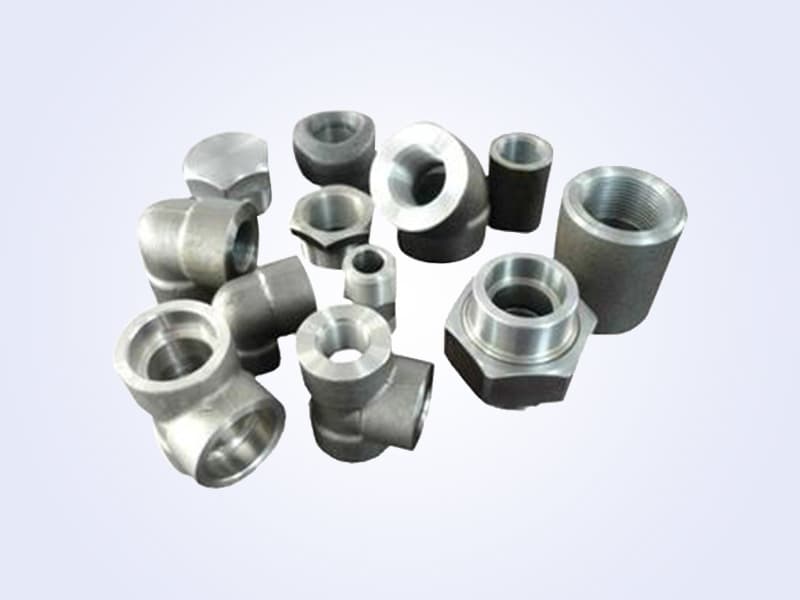
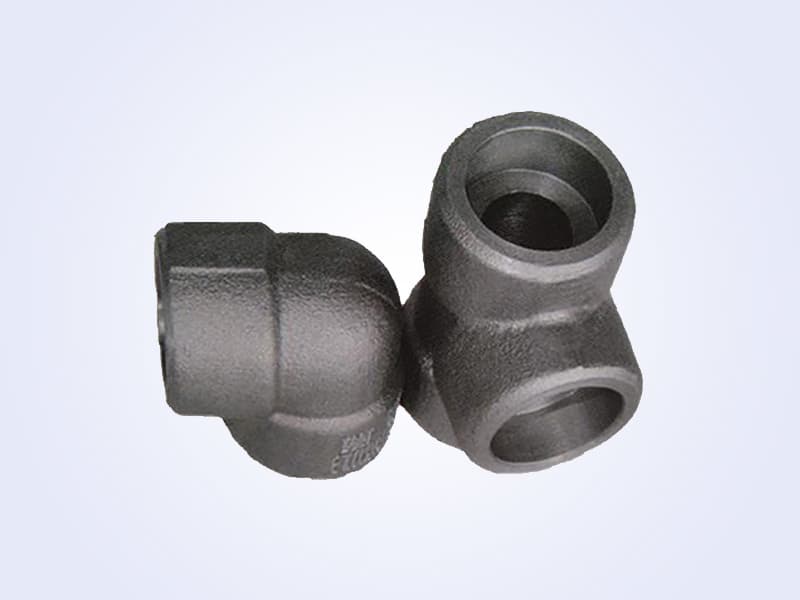
This guide focuses on what an RFQ must define when sourcing seamless steel pipes and socket-weld forged fittings for hydrogen service. It is not a substitute for the code, but a practical checklist to help you avoid common pitfalls.
Understanding ASME B31.12
ASME B31.12, titled "Hydrogen Piping and Pipelines," is applicable to piping and pipelines handling gaseous hydrogen, gaseous hydrogen mixtures, and liquid hydrogen service. The code applies up to and including the joint connecting the piping to associated pressure vessels and equipment, but not to the vessels and equipment themselves. It also covers the location and type of support elements, but not the structure to which they are attached.
The code is organized into parts: