Introduction
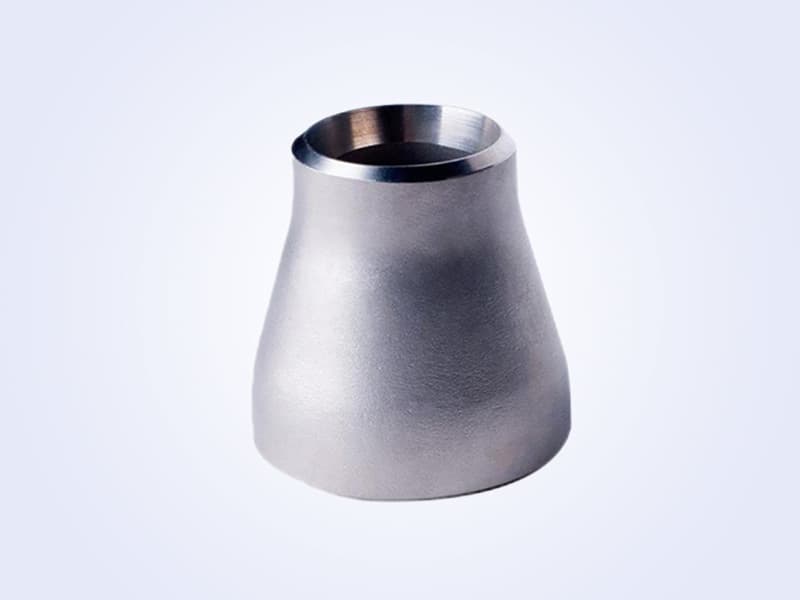
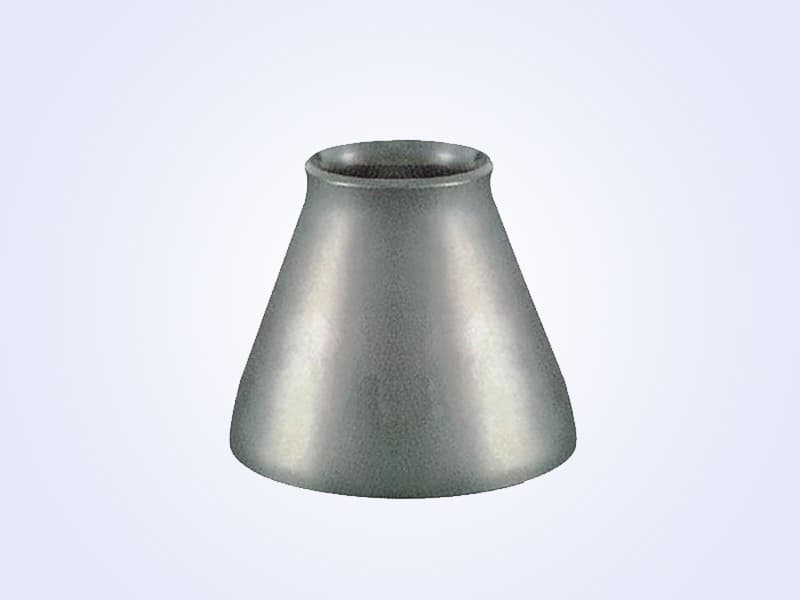
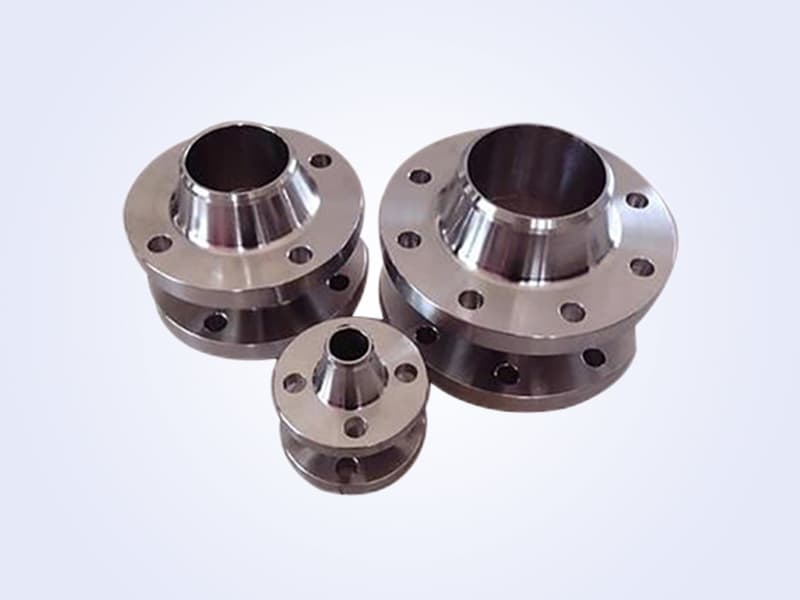
Butt-weld fittings are essential components in high-pressure and high-temperature piping systems used across oil & gas, petrochemical, power generation, and shipbuilding. As a procurement engineer, understanding the manufacturing process and technical requirements is key to ensuring long-term reliability. This guide provides practical insights into what to look for when sourcing butt-weld fittings, from material selection to inspection documentation.
Manufacturing Process Overview
Although suppliers follow similar steps, the level of quality control varies significantly. A typical butt-weld fitting manufacturing sequence includes:
- Material preparation: Raw material (seamless pipe or plate) is inspected for chemical composition and mechanical properties.
- Cutting: Precise cutting to length with smooth edges to avoid weld defects.
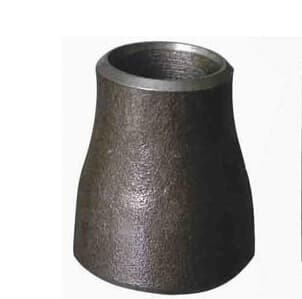
- Forming: Hot or cold forming to achieve the required shape (elbow, tee, reducer, etc.).