Introduction
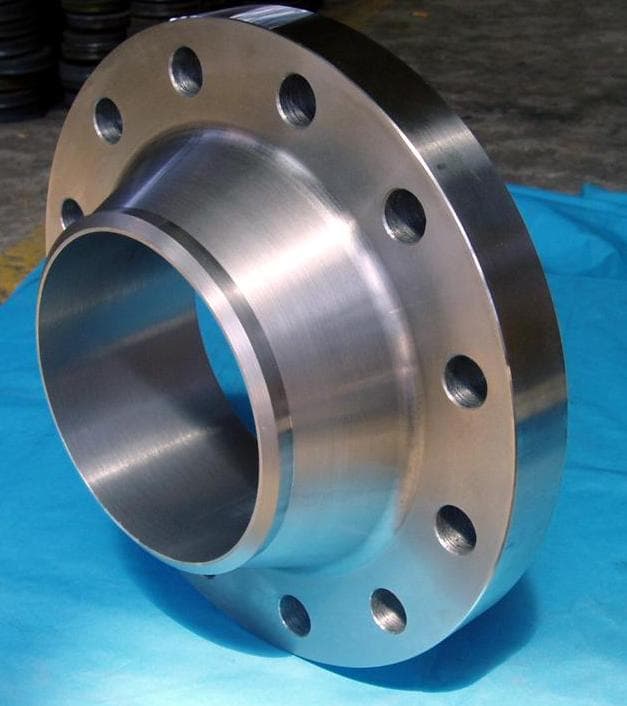
Welding neck flanges (also known as WN flanges) are critical components in piping systems, especially in high-pressure and high-temperature environments such as oil & gas, petrochemical, and power generation. They are designed to be butt-welded to pipe, offering a smooth bore and excellent stress distribution. For procurement engineers, understanding the technical and quality aspects of these flanges is essential to ensure safety and reliability. This guide covers key standards, inspection requirements, and an RFQ checklist to help you source welding neck flanges confidently.
Understanding Welding Neck Flanges
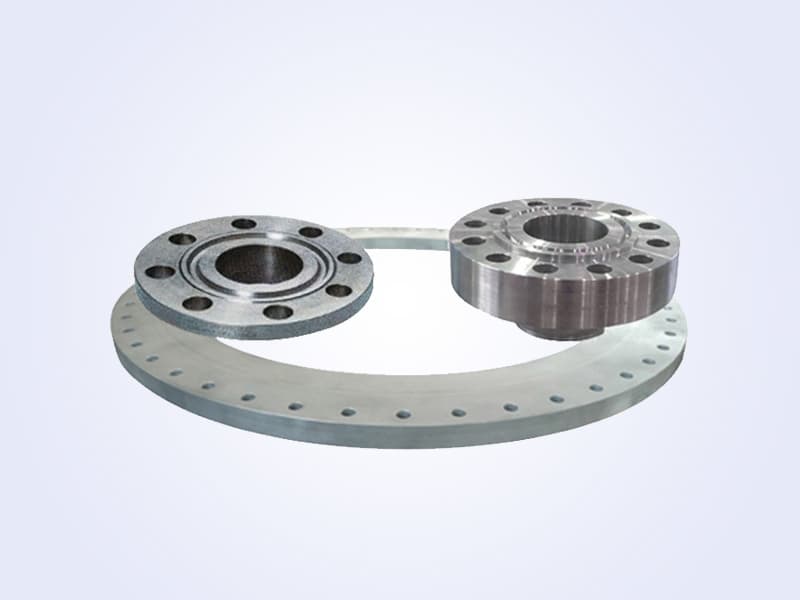
A welding neck flange has a long tapered hub that provides reinforcement and reduces stress concentration at the flange-to-pipe joint. This makes it suitable for severe service conditions. They are typically used for high-pressure applications (e.g., Class 150 to 2500) and in all temperature ranges. Common materials include carbon steel (ASTM A105), stainless steel (A182 F304/F316), and alloy steel (F11, F22).
Key Standards to Confirm
When specifying welding neck flanges, ensure compliance with the following standards:
- ASME B16.5: Standard covering pipe flanges and flanged fittings for NPS 1/2 through 24, including dimensions, tolerances, and pressure-temperature ratings.
- ASME B16.47: For large-diameter flanges (NPS 26 and above).
- Material Standards: ASTM A105 (carbon steel), A182 (stainless and alloy), or A694 (high-yield).
- Manufacturing Standards: MSS SP-44 for large diameter flanges or API 605 for special applications.
Always verify that the supplier follows these standards and can provide documentation.
Inspection and Documentation
For a procurement package, request the following inspection documents:
- Material Test Reports (MTR): Showing chemical composition and mechanical properties.
- Heat Treatment Charts: If required (e.g., normalized, quench & tempered).
- Dimensional Inspection Report: Confirming compliance with ASME B16.5 (bore, hub diameter, bolt circle, etc.).
- Non-Destructive Testing (NDT) Reports: Such as UT, MPI, or PMI, depending on service requirements.
- Positive Material Identification (PMI): To verify alloy grade.
- Certificates of Compliance: For pressure rating and marking.
Quality Risks to Watch
Common quality risks when sourcing welding neck flanges include:
- Incorrect Material: Mix-up of carbon steel versus low-alloy (e.g., A105 vs. F11).
- Undersized Hub: Could reduce stress capacity.
- Poor Weld Prep: Incorrect bevel angle or root face leads to weld defects.
- Surface Defects: Cracks, pitting, or laminations detected by MPI or UT.
- Marking Non-Compliance: Missing or illegible stampings (e.g., material, schedule, heat number).
To mitigate these, require third-party inspection or factory acceptance testing.
RFQ Checklist
Include the following in your RFQ to get accurate quotes:
- Size: Nominal pipe size (NPS) and schedule (e.g., NPS 16, Sch 40).
- Flange Rating: Class 150, 300, 600, etc.
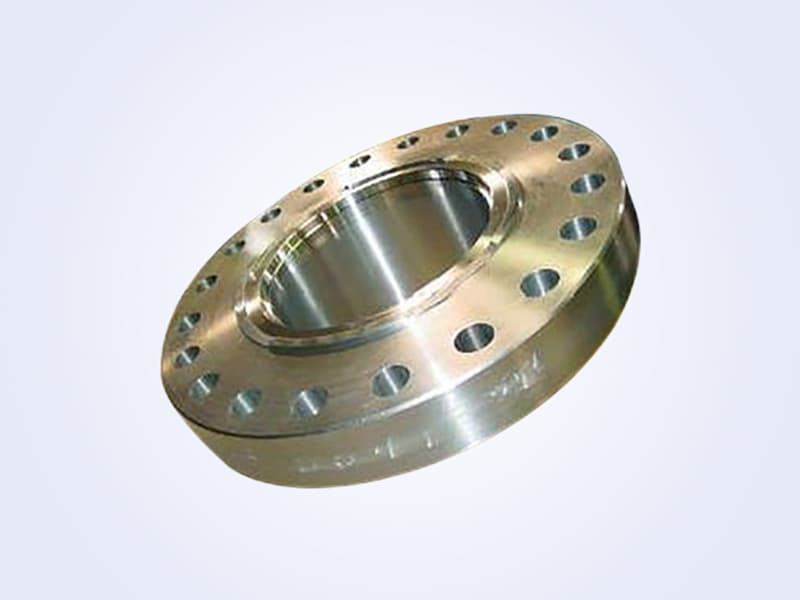
- Facing Type: Raised face (RF), flat face (FF), or ring joint (RTJ).
- Material Specification: ASTM A105, A182 F304L, etc.
- Quantity and Delivery Schedule.
- NDT Requirements: e.g., 100% UT on hub.
- Codes & Standards: ASME B16.5, ASME B31.3 (piping code).
- Marking Requirements: Per MSS SP-25.
- Packaging: Wooden crates or pallets for export.
What to Send Before Quotation
To help suppliers provide accurate pricing and lead times, share:
- Piping Class Sheet: Showing pressure/temperature ratings, material grades, and flanging details.
- P&ID or Isometric: Indicating exact locations and service conditions.
- Flange Datasheet: With all dimensions and special requirements (e.g., extended hub).
- Project Specification: Any client-specific add-ons.
Conclusion
Welding neck flanges are a reliable choice for demanding applications, but procurement success depends on clear technical specifications, rigorous inspection, and supplier qualification. By following the checklist above, you can reduce risks and ensure your piping system meets safety and performance standards.
Contact Hebei Haihao Group for your welding neck flange needs. With decades of experience in manufacturing flanges to international standards, they offer a range of sizes and materials with full traceability. Submit your RFQ today for a competitive quote and fast delivery.
Need a quote for the products mentioned in this article?
Submit your specs and our pressure piping team will respond within one business day.
Send RFQRelated reading
 Buyer guide
Orifice Flange RFQ Checklist: Class, Type, Taps and Documents
Specifying orifice flanges requires more than a standard flange RFQ. This checklist covers ASME B16.36 scope, class/type limits, tap details, and documentation gaps to verify before ordering.
 Buyer guide