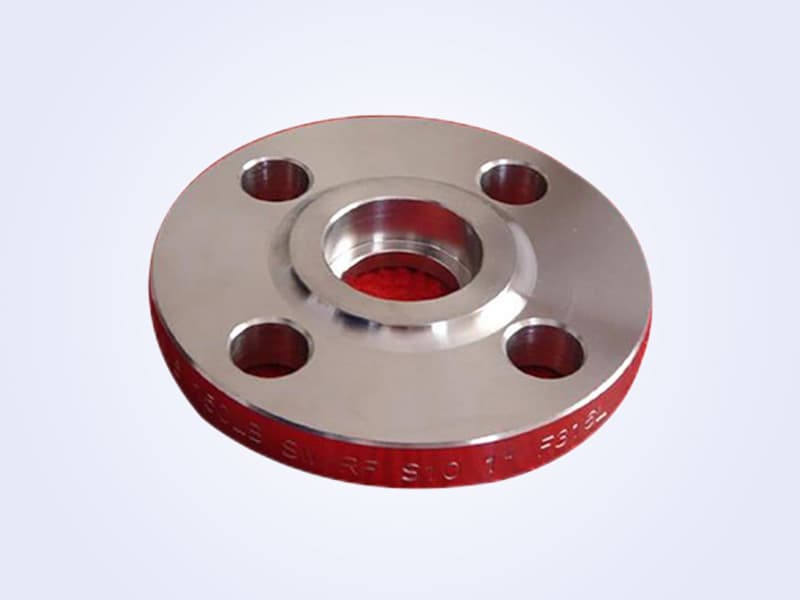
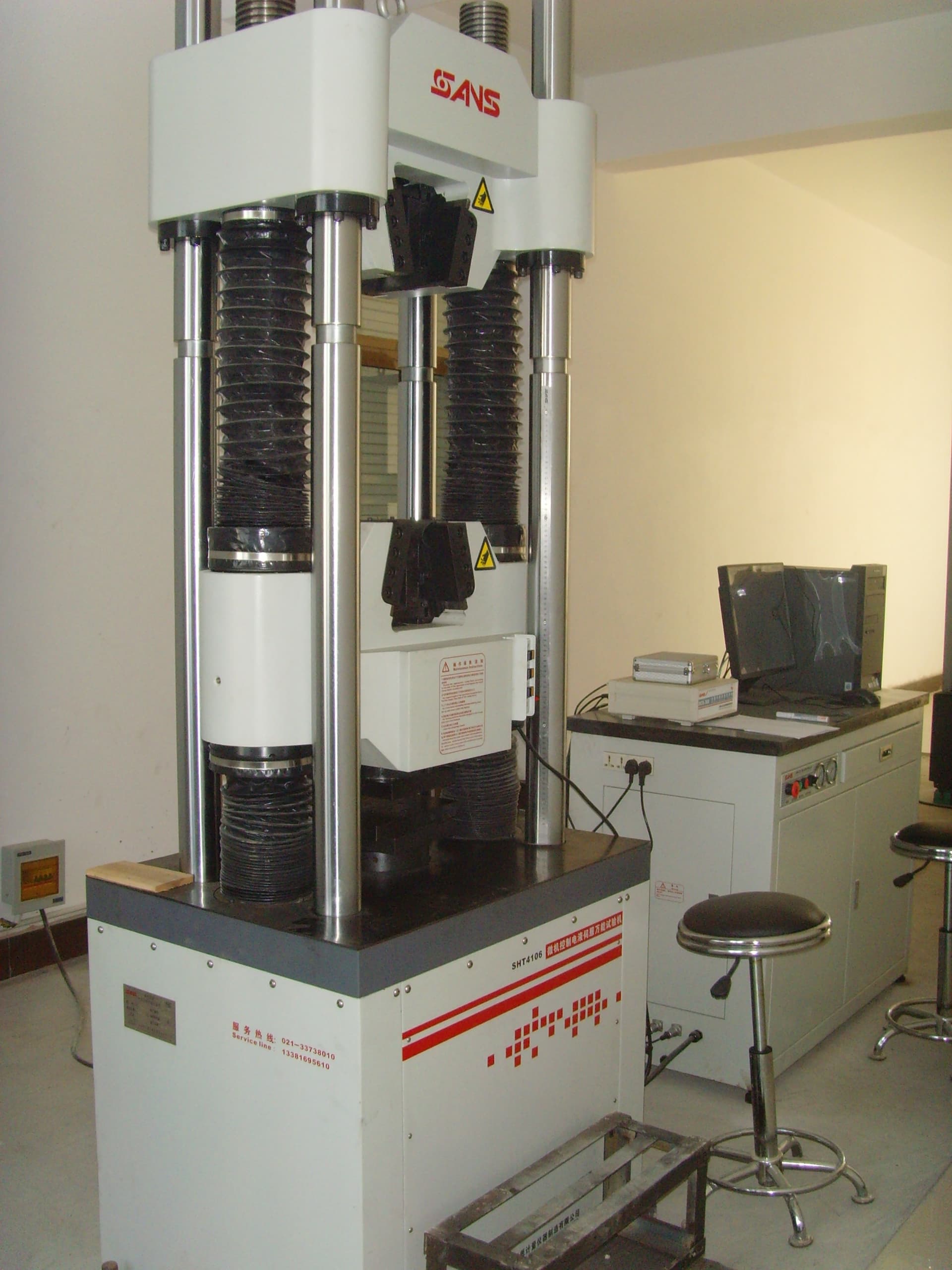
Why this matters
Sour service — process streams containing wet H2S — exposes carbon and low-alloy steel to sulfide stress cracking (SSC). NACE MR0175 / ISO 15156 is the global rulebook that limits chemistry, hardness, heat treatment, and welding so the material can resist SSC. For pipe fittings and flanges destined for sour service, the buyer must control the welding procedure (WPS) and procedure qualification record (PQR) — not just the parent material. This sour service welding guide explains the WPS / PQR controls, including the 22 HRC hardness limit and how to verify it.
Specifying sour service welding controls — WPS, PQR, hardness traverse, NACE MR0175 reference — is what makes a fittings PO H2S-ready.
Step-by-step WPS / PQR control
1. State NACE MR0175 / ISO 15156 in the PO. Cite the part: -1 (general), -2 (carbon and low-alloy steels), -3 (CRAs). Add the year of the edition the project spec references.
2. Hardness limit. All MR0175 variants apply a 22 HRC maximum on carbon and low-alloy parent metal. Welds and HAZ are constrained by Vickers limits documented in MR0175-2 Tables. Typical maximum 250 HV 10 for carbon-steel weld metal and HAZ.
3. PQR hardness survey. Procedure qualification on carbon steels using controls other than thermal stress relieving must include a hardness traverse across weld, HAZ and base metal, performed using HV 10, HV 5 or HR15N per the standard's survey diagrams. The PQR is invalid for sour service if hardness data is missing.