Why this matters
Unit price is the smallest part of what a buyer pays for an offshore pipe fitting. Inspection, testing, packing, logistics, financing, duty, demurrage, rework, and downtime all sit on the bill — and none of them appear on the proforma invoice. Total Cost of Ownership (TCO) modelling forces all those numbers into one frame so the buyer can compare a low FOB quote to a higher DAP quote on equal terms. This guide structures a TCO for offshore pipe fittings sourcing that fits oil & gas, petrochemical, and EPC procurement.
A defensible Total Cost of Ownership (TCO) model is the difference between the cheapest quote and the cheapest delivered project.
Field-by-field TCO structure
1. Unit price (FOB). The mill quote, ex-works or FOB China. Foundation but rarely ≥ 60% of TCO for offshore-grade material.
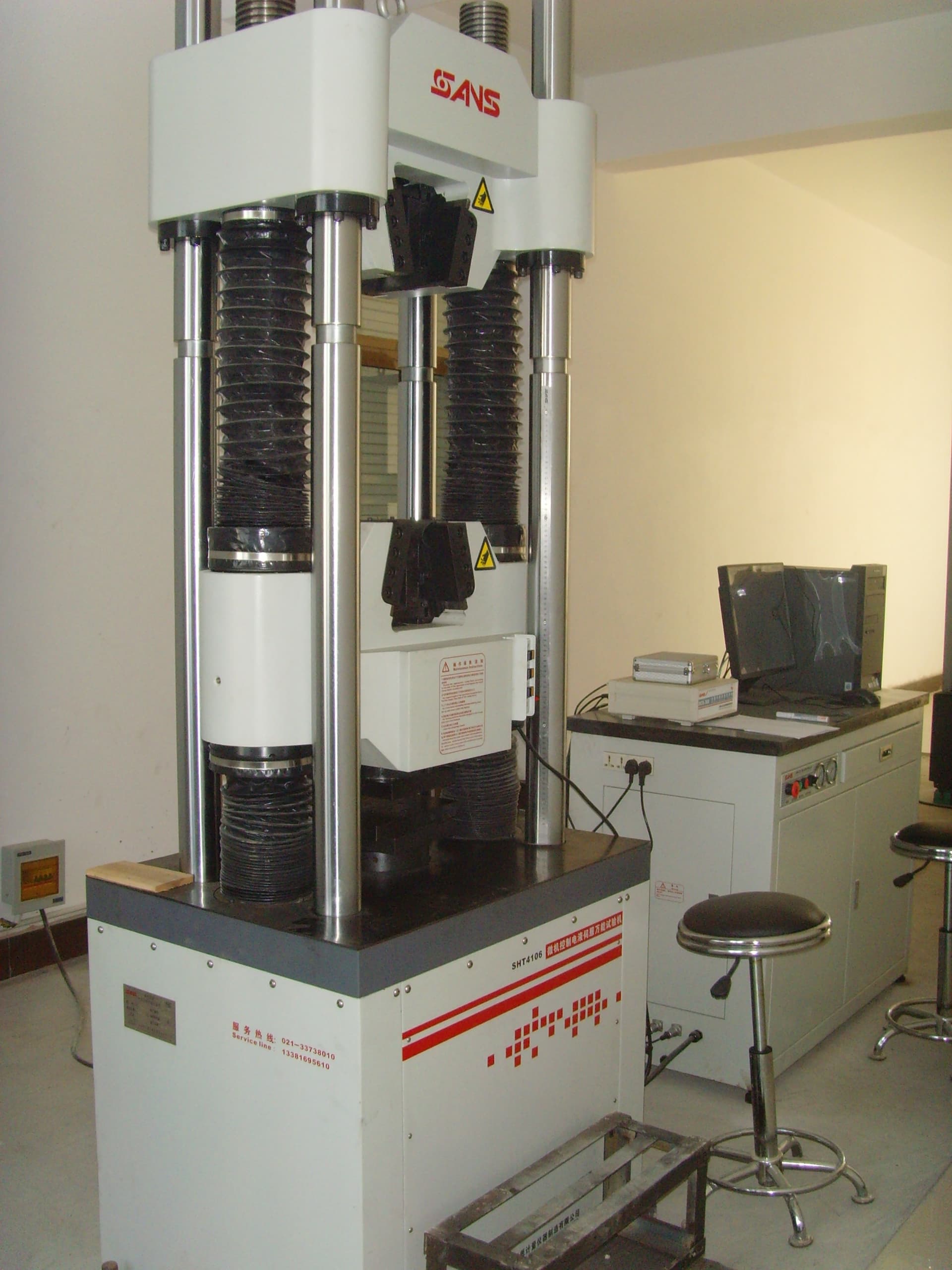
2. Testing and certification adders. EN 10204 3.2 vs 3.1: typically a 1–3% adder for the TPI visit, OES PMI per piece, hardness traverses, hydro witness. For sour service add Charpy and Vickers surveys.
3. NDE. 100% UT vs sample, RT for thick walls, MT/PT on bevels. Cost depends on scope; budget 2–6% of unit cost for full coverage.
4. Packing. ISPM-15 heat-treated crates, bevel protectors, VCI bags, container lashing. Typically USD 200–800 per pallet plus the dunnage.