Understanding ASME B16.14 Scope
ASME B16.14 is the standard that governs ferrous pipe plugs, bushings, and locknuts with pipe threads. It is a concise but critical document for any piping system that uses threaded connections for sealing, isolation, or component retention. The standard covers:
- Pressure-temperature ratings
- Size designations
- Marking requirements
- Materials
- Dimensions and tolerances
- Threading requirements
- Pattern taper
This standard is placed on stabilized maintenance, meaning it is no longer actively revised but remains in effect. Buyers should always confirm they are referencing the latest edition (currently 2024) and any addenda.
ASME B16.14 vs. ASME B1.20.1: What Each Standard Covers
A common point of confusion is the relationship between ASME B16.14 and ASME B1.20.1. While B16.14 defines the product requirements for plugs, bushings, and locknuts, ASME B1.20.1 is the thread standard that specifies the dimensions and gaging for the actual pipe threads used on these components.
ASME B1.20.1 covers the world's most common pipe threads: NPT, NPSC, NPTR, NPSM, and NPSL. It includes:
- Thread form and dimensions
- Gaging requirements and tolerances
- Acceptability criteria for gaging disputes
- Guidance for plated or coated threads
In practice, when you order a plug or bushing to ASME B16.14, you must also specify the exact thread type (e.g., NPT) and the gaging standard (ASME B1.20.1). The two standards work together: B16.14 ensures the component's physical dimensions and material are correct, while B1.20.1 ensures the threads will mate properly with mating components.
Key Procurement Checks for ASME B16.14 Components
When sourcing pipe plugs, bushings, or locknuts, verify the following with your supplier:
- Exact standard and edition: Confirm the component is manufactured to ASME B16.14 (latest edition) and that the thread conforms to ASME B1.20.1.
- Thread designation: Specify the exact thread type (NPT, NPSC, etc.) and size. Do not assume a generic "pipe thread" is sufficient.
- Material grade: B16.14 covers ferrous materials, but you must specify the exact grade (e.g., ASTM A105 for carbon steel, ASTM A182 for stainless). The standard does not list all possible materials; it sets requirements for those that are used.
- Pressure-temperature rating: The standard provides ratings, but these depend on material and size. Confirm the rating matches your service conditions.
- Marking: B16.14 requires marking for identification. Verify that the manufacturer's marking includes the required information (e.g., size, material, standard).
- Pattern taper: For tapered threads, the standard specifies the taper pattern. Ensure the component's taper matches the mating fitting.
Common Risks and How to Avoid Them
- Mixing thread types: NPT (tapered) and NPSM (straight) are not interchangeable. A plug with NPT threads will not seal properly in a straight-threaded port. Always specify the exact thread type.
- Assuming pressure rating from thread size: A matching thread does not guarantee a pressure rating. The rating depends on material, wall thickness, and design. Verify the rating from the standard or manufacturer's data.
- Ignoring gaging requirements: ASME B1.20.1 includes specific gaging procedures. If your application requires high integrity, request that the supplier provide gaging certificates or third-party inspection.
- Coating and plating: If threads are plated or coated, the gaging requirements may change. ASME B1.20.1 provides guidance for such cases. Ensure the supplier accounts for coating thickness in thread dimensions.
RFQ Inputs for ASME B16.14 Components
When preparing an RFQ, include the following:
- Quantity and size (e.g., 1/2" NPT)
- Standard: ASME B16.14 (edition year)
- Thread standard: ASME B1.20.1 (edition year)
- Material specification (e.g., ASTM A105, ASTM A182 F304)
- Pressure class or rating if applicable
- Marking requirements (if different from standard)
- Any special testing or certification (e.g., material test certificates, PMI)
- Packaging and export requirements
Inspection and Documentation Points
For incoming inspection, check:
- Dimensional verification: Measure key dimensions (length, diameter, thread size) against the standard.
- Thread gaging: Use appropriate gages per ASME B1.20.1 to verify thread fit.
- Material verification: Review material test certificates (MTC) to confirm grade and heat treatment.
- Marking: Verify that each component is marked as required.
- Surface condition: Check for defects such as cracks, pits, or damaged threads.
Why This Matters for EPC and Procurement Engineers
Threaded components are often considered commodity items, but they are critical to system integrity. A mismatch in thread type or material can lead to leaks, failures, and costly downtime. By understanding the scope of ASME B16.14 and its relationship to ASME B1.20.1, you can specify correctly and avoid common pitfalls.
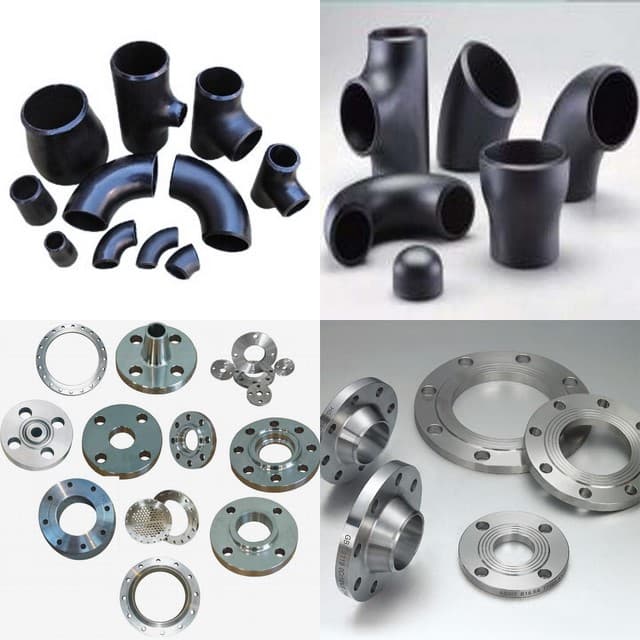
For a wide range of pipe fittings and flanges, including those to ASME standards, visit our products page. If you need assistance with specifications or sourcing, feel free to contact us.
Sources
Need a quote for the products mentioned in this article?
Submit your specs and our pressure piping team will respond within one business day.
Send RFQRelated reading
 Standards
ASTM A182: Forged Alloy and Stainless Piping Components
ASTM A182 covers forged low-alloy and stainless steel flanges, fittings, valves, and parts for high-temperature service. This guide explains what buyers must specify beyond the standard, including grade, heat treatment, and dimensional standards.
 Standards